
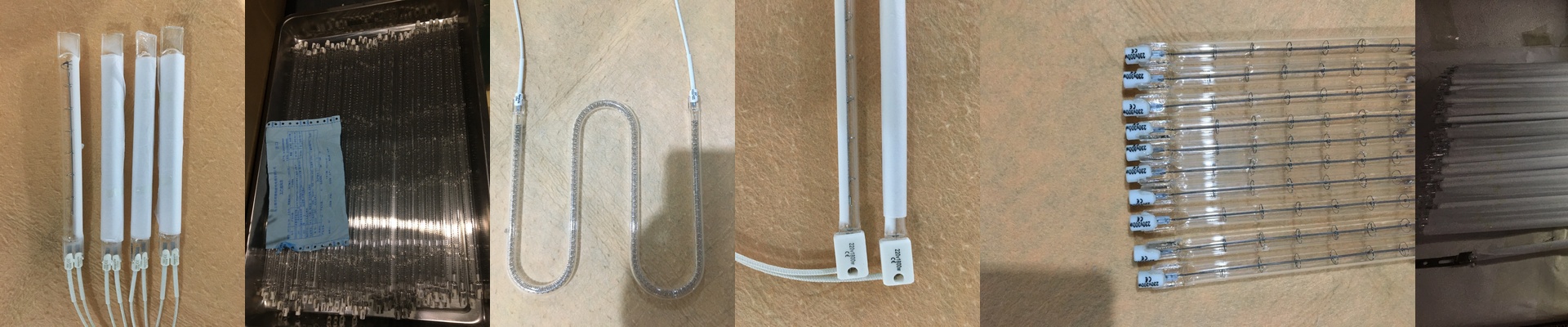


Building Heat Lamps That Actually Survive a Barn
Keeping livestock warm isn’t as simple as just plugging in a light bulb. If you’ve ever worked in a barn, you know the deal: it’s a brutal mix of ammonia, constant dampness, and enough vibration to shake a loose screw out of anything. Most lamps just can’t take it. They burn out or crack, and the last thing you want to be doing at 3 AM in a freezing barn is swapping out a dead bulb. That’s why we build our infrared lamps differently. We’ve put them to the test on thousands of large-scale farms, so we know exactly what breaks and how to fix it. Getting the heat right It’s all about balance. If you’ve got newborns in a freezing climate, you need heat that hits hard and fast. That’s where our high-wattage shortwave lamps come in—they penetrate deep and quick. But here’s the catch: if you cram too much wattage into a tiny space, you’ll fry your socket. You also have to watch your wiring. If your barn runs are long, you need the right gauge wire, or you’ll deal with voltage drops that leave your animals shivering. To keep the glass from shattering when the temperature swings wildly, we use heavy-wall quartz. It’s tough. It handles the stress. The secret to a longer life We rely on something called the halogen cycle. Basically, we fill the quartz tube with halogen gas that pushes evaporated tungsten back onto the filament. Instead of the filament thinning out and snapping, it stays strong. It just lasts longer. Simple as that. We also use standard industrial connectors—R7s or SK15. We did this on purpose. You should be able to swap a lamp in seconds without having to rewire your entire setup. Plus, some of our units have a special coating. It helps the heat cut through damp, heavy air, which is a lifesaver in those humid environments. Out in the real world These lamps are designed to be drop-in replacements. They just work. One thing to watch out for: dust. In a farm, dust gets on everything. On a cheap lens, that dust creates hotspots that crack the glass. Our quartz is rated for high thermal shock, so it can take the beating. Just a heads-up, though—these things gethot. Seriously hot. Make sure your mounting brackets are rated for high temperatures. You don’t want warped metal or, worse, a fire hazard hanging over your livestock.