


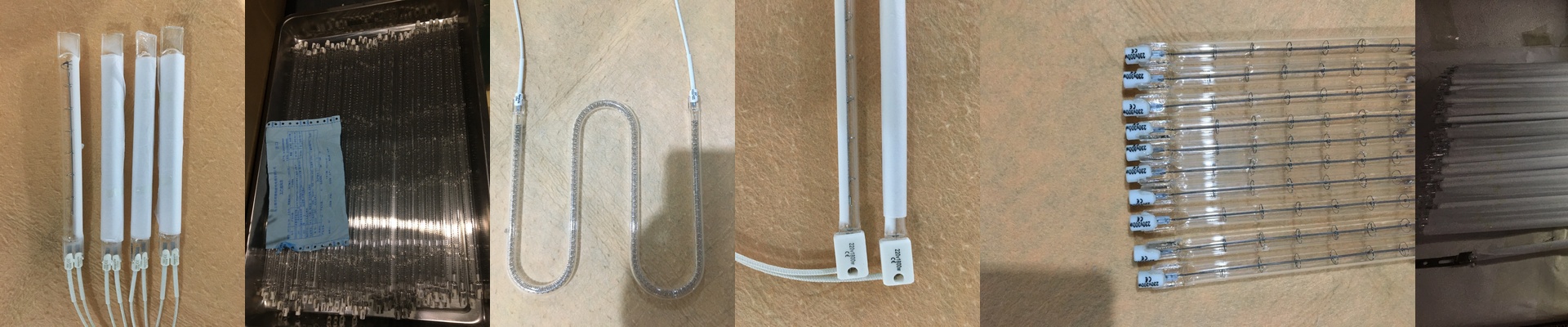


Getting Your Siempelkamp Drying Right
When you’re dealing with board production, moisture is the enemy. If you don’t get it out precisely, you’ve got a problem. That’s why we build our infrared lamps to hit those Siempelkamp specs exactly—focusing on raw power and steady heat so every inch of that board dries the same way. The Power Side of Things These lamps are built for the grind of a heavy industrial floor. We usually lean toward high voltage. Why? Because it keeps the current draw low over long runs, which means you don’t have to worry about voltage drops across your heating bank. Plus, the high wattage means they heat up fast. When your production line is screaming along, you can’t afford to wait. You need heat that actually sinks into the core of the board without torching the surface. It’s a delicate balance, but it works. What They’re Actually Made Of We use heavy-wall quartz glass for the housing. It’s tough. It can handle the shock of being cycled on and off rapidly without just cracking under the pressure. Inside, we use a halogen-filled tungsten filament. This stops the tungsten from evaporating too quickly, which basically means your lamps last a lot longer. And here’s the best part: they’re drop-in replacements. The footprint and the connectors match your current Siempelkamp frames perfectly. You just swap them out and get back to work. The Real-World Stuff Wiring them is the easy part. The real challenge is the heat. These things put out a massive amount of shortwave radiation, sokeep your reflectors clean. Seriously. If dust builds up, your efficiency tanks and you’ll start seeing hot spots on your boards. While you’re at it, take a look at your contactors. High-wattage lamps hit your switchgear hard during that first surge. Also, check your cooling fans. If they aren’t beefy enough to handle the ambient heat from a full bank of lamps, you’re going to burn out the lamp ends way too soon. You get the same performance as the big name-brand lamps, just without the ridiculous markup.