


How to actually get that mirror-finish on your timber
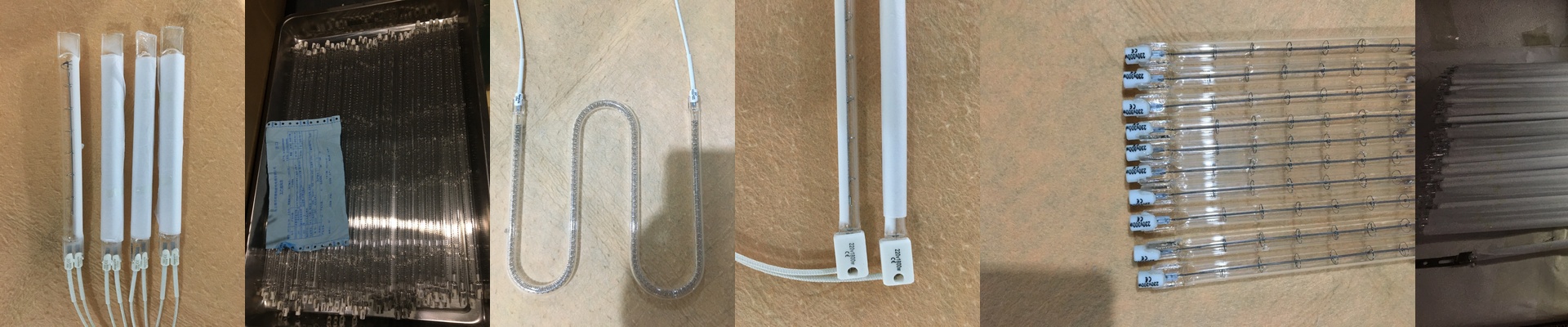
If you’ve ever tried to get a high-gloss look on hardwood, you know it all comes down to how the finish cures. Most of the big players in the industry use infrared (IR) heating to flash off the solvents and lock in that topcoat. We decided to build our own heating spares right here at home, but we didn’t just guess. We engineered them to hit the exact same spectral output as those expensive imported lamps. Basically, we’re hitting the same molecular vibrations in the coating, so you get that same professional shine without the import headache. Getting the heat just right Gloss is a balancing act. If your heat is too low, the floor stays tacky and picks up every speck of dust in the room. Too high? You’ve just scorched your timber. It’s a nightmare. We spend a lot of time obsessing over the wattage-per-centimeter. By tightening up how the filament is wound, the heat spreads evenly across the board. No more “tiger striping” or those annoying patchy spots that make a job look amateur. Built for the grind We use high-purity quartz glass because it doesn’t soak up the energy—it just lets the shortwave radiation fly straight into the lacquer. These tubes are tough. We’ve seen them run 24/7 in brutal production lines without flinching. And since industrial heating involves a lot of expanding and contracting, we added reinforced end-cap seals. They stop the tubes from burning out prematurely when the temperature swings. Swapping them in The best part? These are drop-in replacements for the European OEM systems. You don’t have to rip out your wiring or spend a weekend redesigning your racks. Just swap the tubes, tweak your timers, and you’re back in business. One quick heads-up, though. If you crank up the power to speed up your line, your exhaust system is going to feel it. If your fans aren’t moving enough air, you’ll end up with solvent fumes pooling near the ceiling. Just double-check your CFM before you push the wattage to the limit.