Introduction
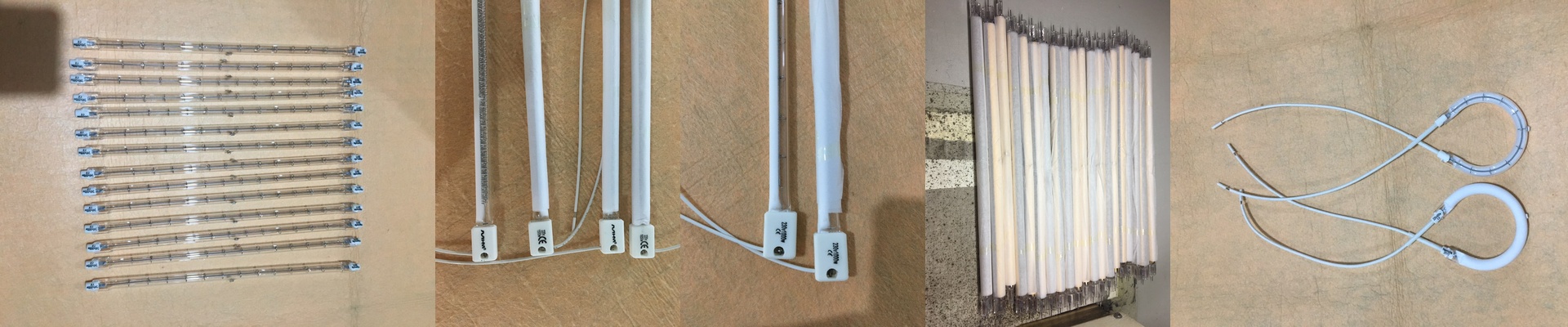
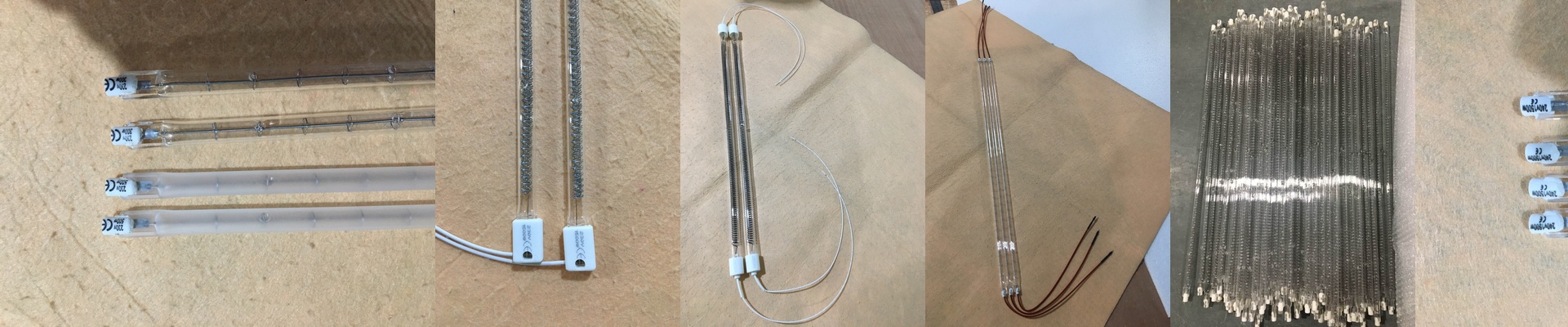
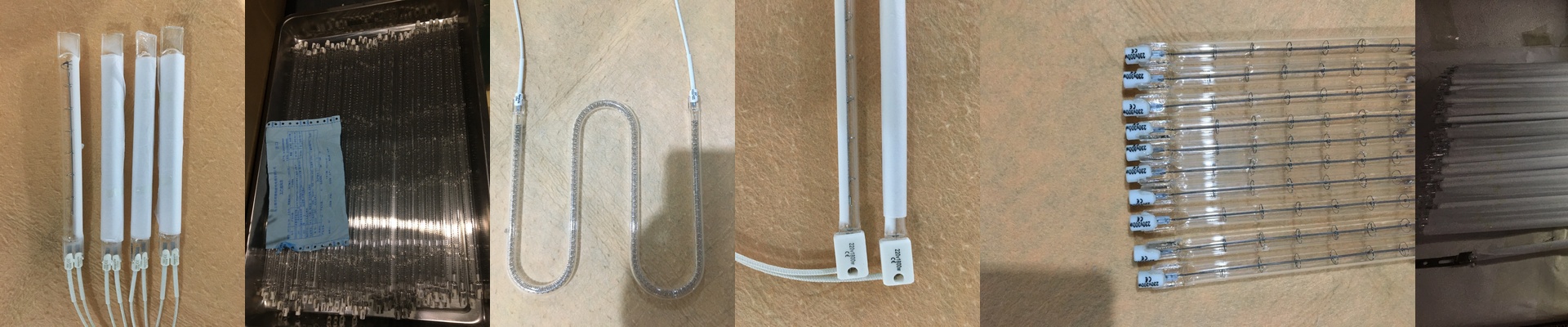
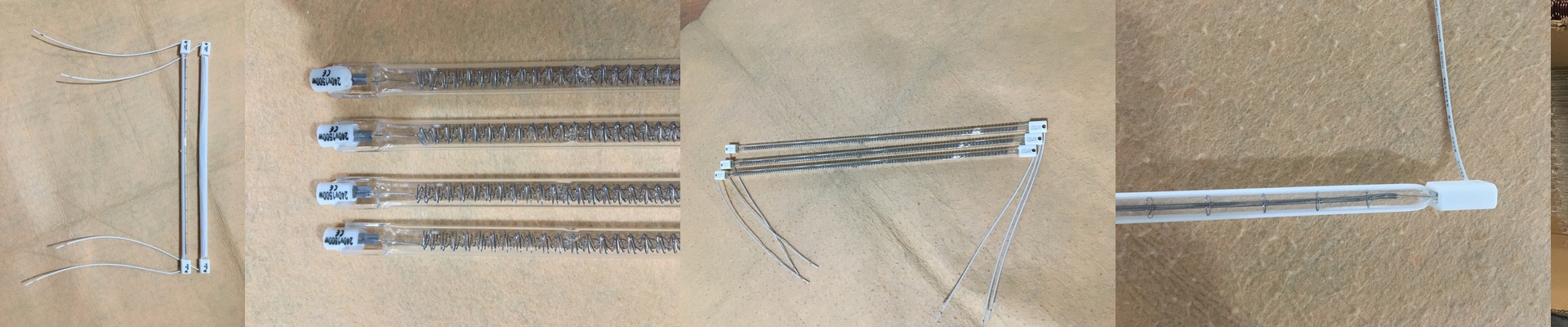
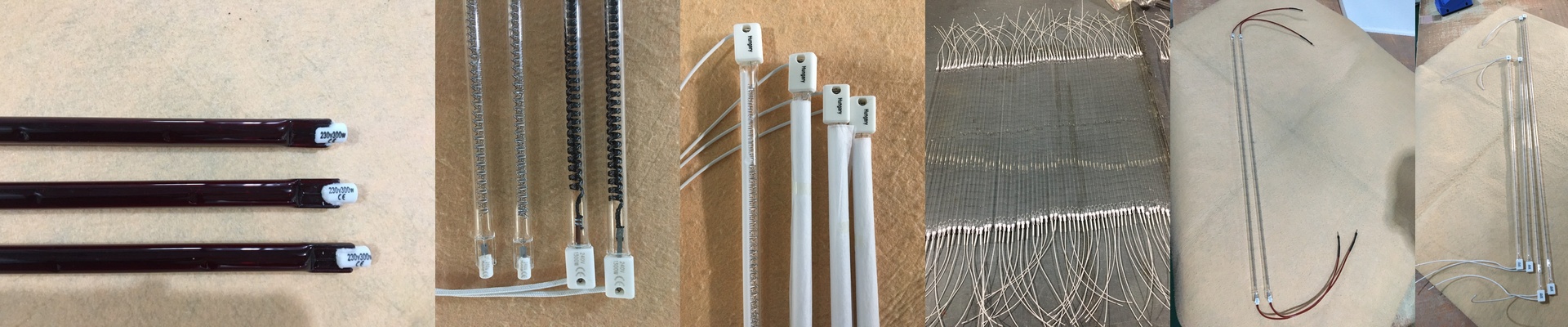
We design the 2000W halogen heating lamp for engineers who need concentrated, controllable heat in a compact footprint. This lamp is not a general-purpose heater; it is a high-intensity radiant heat source built to deliver fast response and stable output in industrial equipment, from plastic processing to process heating. When you need heat where space is tight and performance is non-negotiable, this element specs out to meet the demand.
Technical Deep-Dive: Power, Voltage, and Dimensions
The 2000W rating defines the lamp’s heat output, translating to high heat density in a small envelope. This power level typically runs on higher voltages (often 230V or 400V), which reduces current draw compared to a low-voltage, high-amperage alternative. Lower current means smaller wiring, lower voltage drop across long runs, and less strain on terminals. It also simplifies integration into machines that already carry 230V/400V control circuits. The lamp’s physical dimensions—commonly a 300mm tube length—set the heated zone size and mounting footprint. A 300mm active length concentrates the heat where you need it, without wasting energy on a broad, unfocused pattern. This makes the lamp suitable for spot heating, narrow-lane heating, or localized drying where you want to keep the heat close to the target. The trade-off is real: packing 2000W into a 300mm quartz tube generates intense local temperatures. Your machine must be designed to manage the surrounding heat—ventilation, reflectors, and thermal spacing are mandatory. If you do not plan for heat rejection, the lamp will still work, but the nearby components will take a beating.
Material and Design: Halogen, Quartz, and R7s
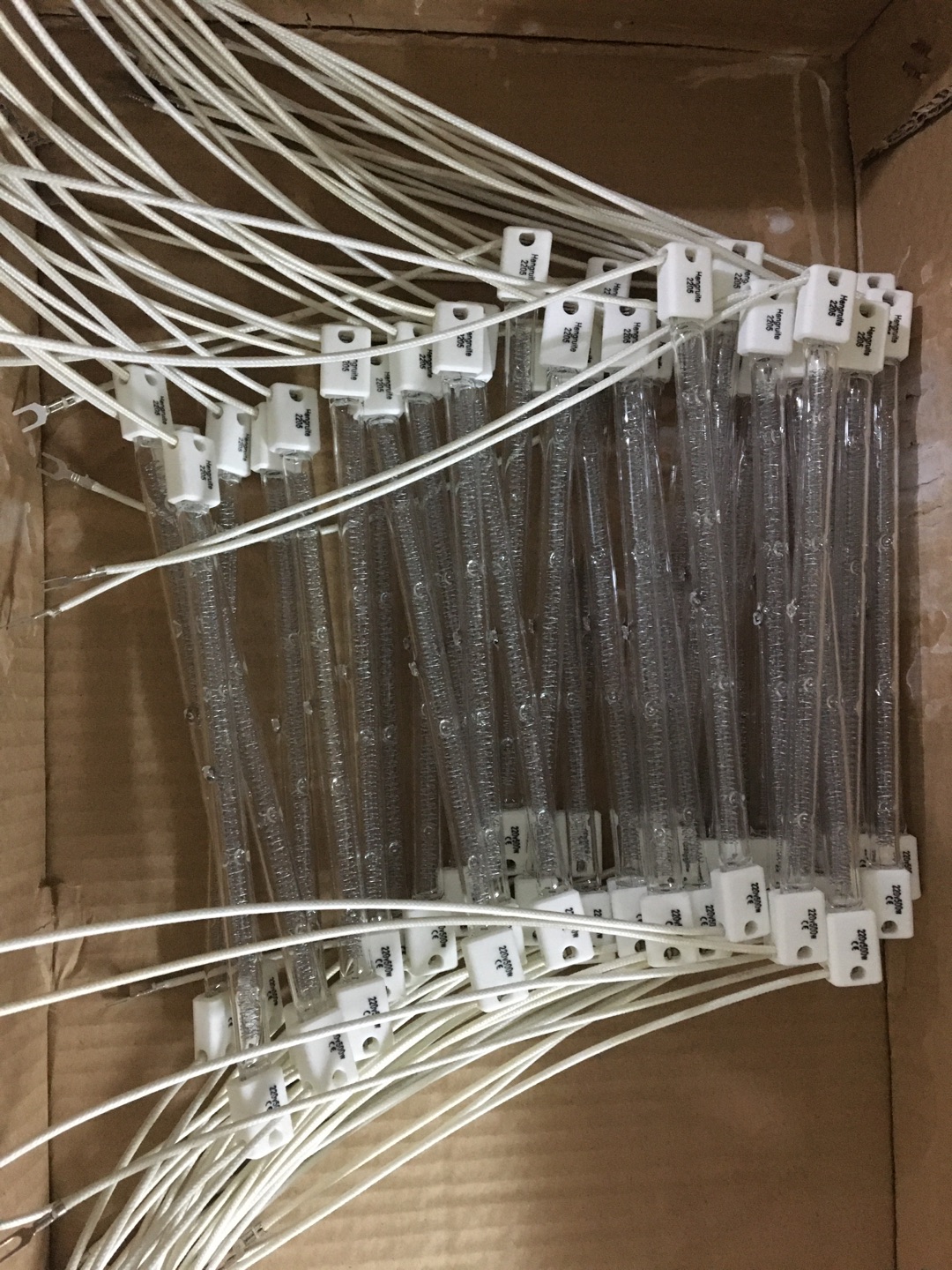
The core of the lamp is the halogen cycle inside a quartz envelope. The halogen gas allows the filament to operate at higher temperatures without the rapid blackening seen in standard incandescent lamps. The result is stable output over life and consistent color temperature, which matters when you are matching heat profiles across multiple lamps in a line. Quartz handles the thermal shock of rapid on/off cycles and maintains high operating temperatures without softening. The R7s connector is the practical choice for industrial installation. It is a double-ended, linear-contact base that provides solid mechanical retention and reliable electrical contact. It makes the lamp a drop-in replacement in many standard fixtures, and it handles vibration better than many consumer-style bases. In a production machine, that means fewer maintenance call-backs for loose contacts. We often apply a reflective coating on the quartz to direct infrared energy forward, increasing effective power density on the target and reducing wasted heat toward the rear. This coating is not cosmetic; it changes the thermal pattern. You get more usable heat in the work zone, and less heat load on the mounting hardware.
Application and Benefits: Why This Configuration Works
This lamp is built for applications where you need fast heat-up and immediate response. In PET blowing, for example, the preform must reach a precise temperature quickly, and the lamp’s radiant output provides that without heating the entire machine bay. The same principle applies to thermoforming, sealing, and adhesive curing—processes where the heat must be switched on and off with minimal lag. The 2000W power level gives you headroom to cover higher throughput rates, while the compact 300mm form factor fits into tight heating tunnels and focused stations. The R7s base keeps installation straightforward: you wire it up, lock it in, and align it to the target. Maintenance is straightforward too. When the lamp reaches end-of-life, you swap the tube, inspect the holder, and get back to production. Plan for adequate clearance and cooling, and this element delivers predictable, repeatable heat in the places where industrial performance counts.