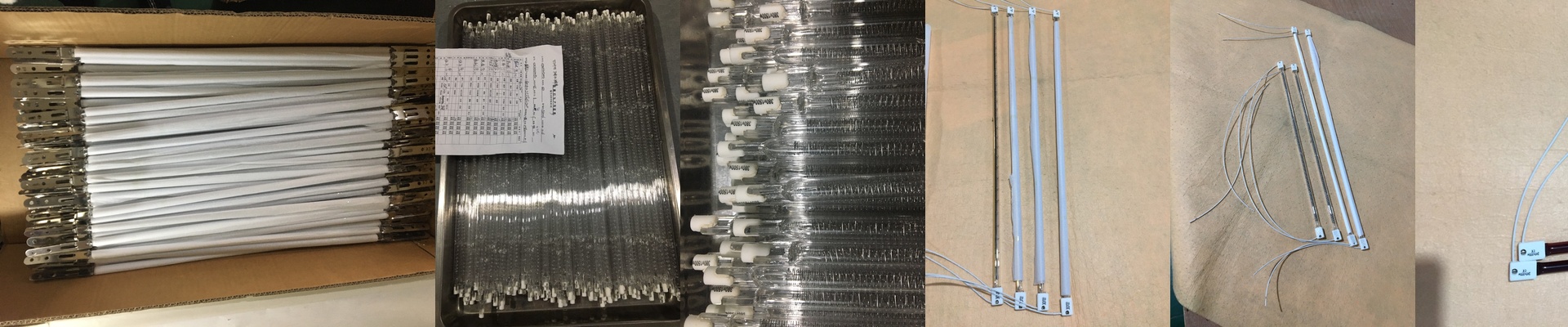
Halogen Heating Lamps for PET Blowing: The Real Deal on Power, Design, and Performance
We built these halogen heating lamps for one reason: PET blowing. You need heat that hits hard, fast, and exactly where you want it—without scorching the preform. Think of it as a heat source that wakes up instantly, holds steady, and slips into tight spaces without forcing you to rethink the whole machine.
Power, Voltage, and Size: Why It All Fits
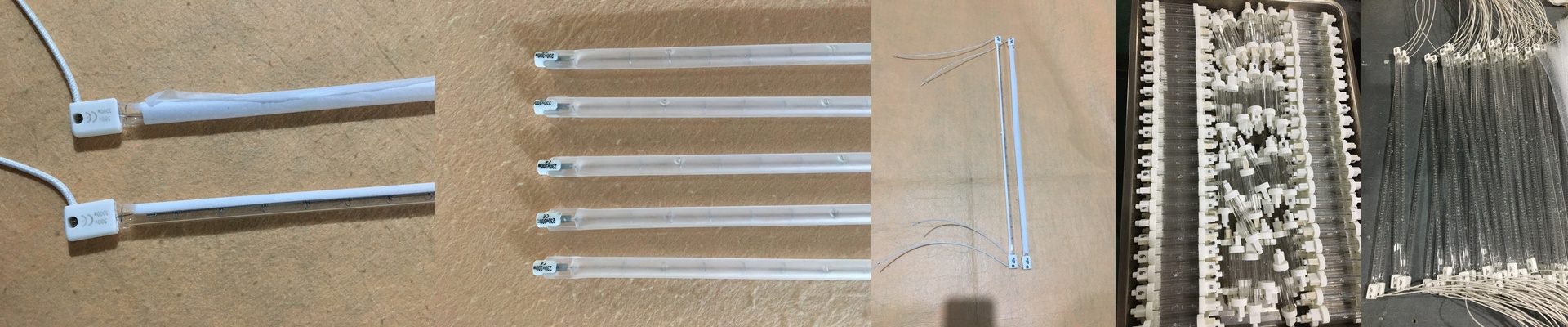
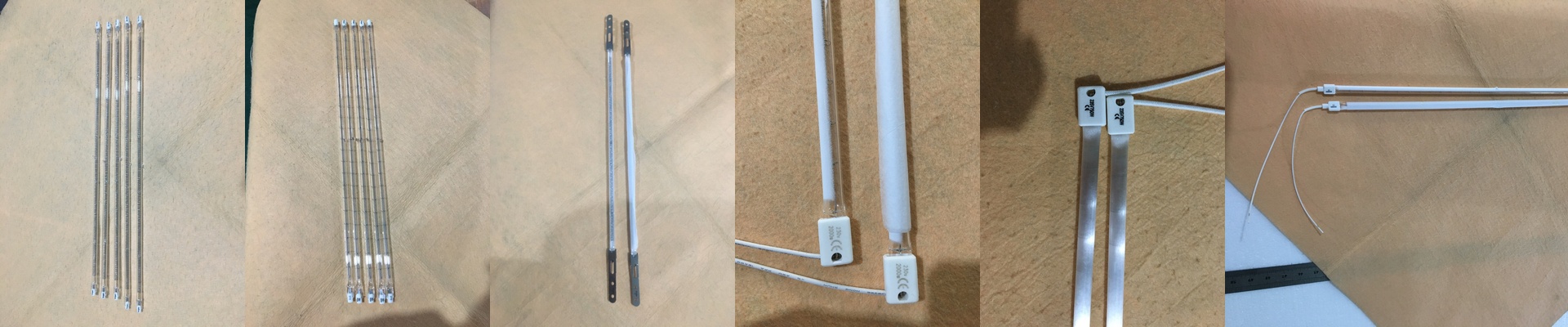
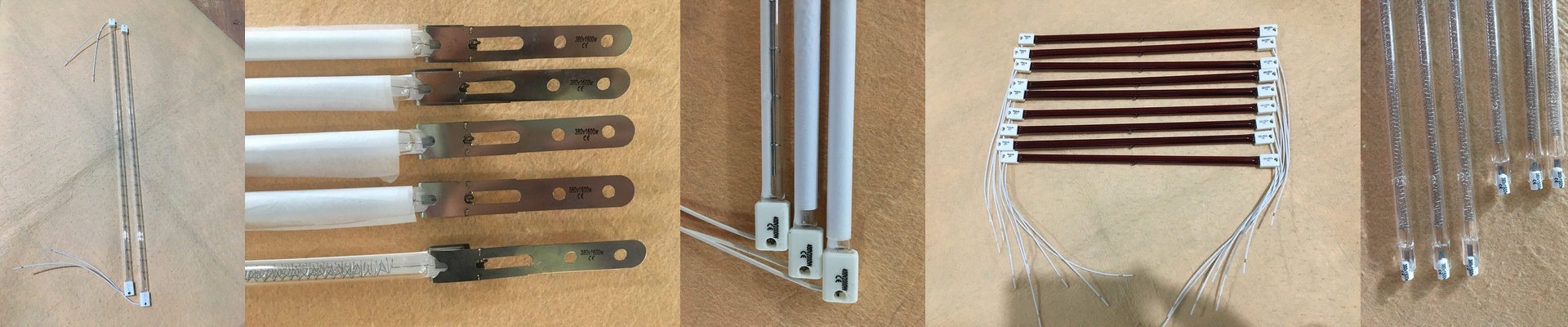
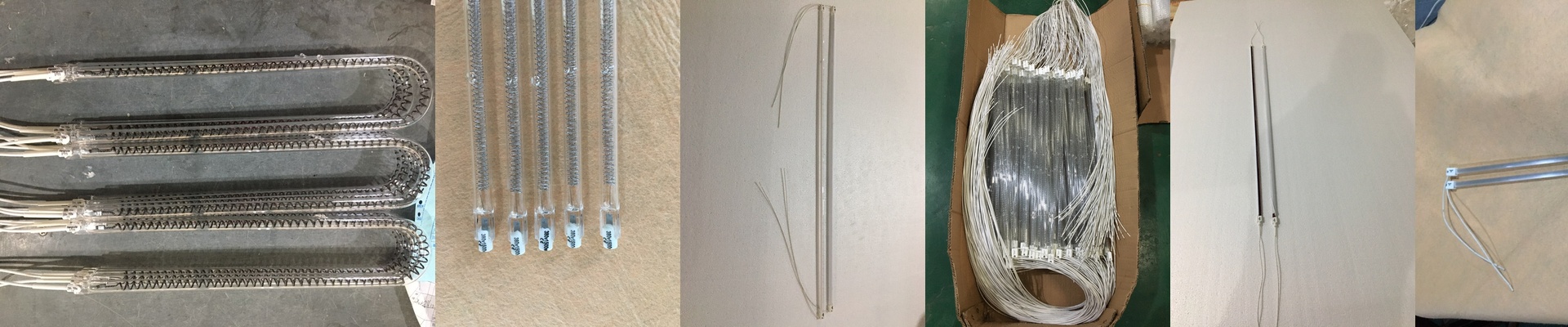
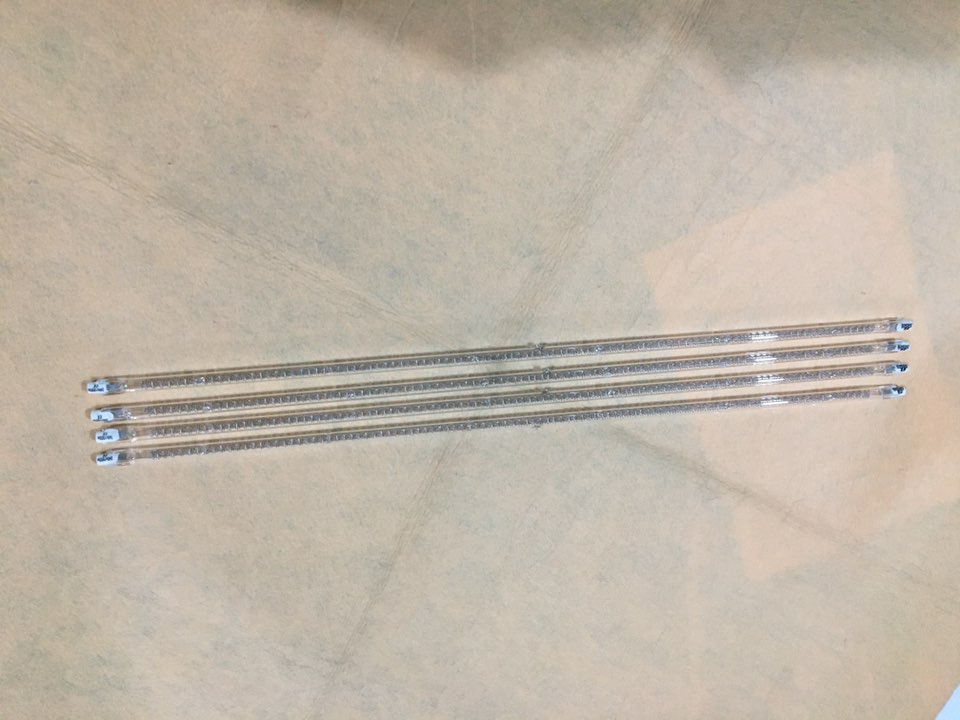
Here’s the heart of it: high-density shortwave infrared output, usually running on 400V to pack serious wattage into a short body. A 2500W lamp inside a 300mm quartz tube delivers the heat flux you need to warm the preform wall quickly. And that compact length? It keeps the footprint small, so you can retrofit without tearing the heating tunnel apart. Plus, running at higher voltage means lower current for the same power. That keeps conductors lean and helps keep connection losses from becoming a headache.
The Build: Halogen, Quartz, Coating, and a Smart Connector
The halogen cycle does the heavy lifting, keeping the filament stable and the output consistent—even when the filament runs hot. The quartz envelope handles thermal shock and stays hot enough to keep that halogen chemistry working the way it should. Many versions use a reflective coating to push more energy forward and shield nearby parts from stray radiant heat. And the R7s connector? It’s practical. It handles high temperature, gives solid contact, and makes swapping the lamp a quick, tool-free job.
PET Blow Molding: What It Feels Like on the Floor
On the line, PET blowing needs heating you can trust—predictable, repeatable—so you hit your stretch ratios without thinning or stress marks. These lamps respond fast and stay steady, so you can fine-tune the heating profile zone by zone. That said, there’s a trade-off you can’t ignore: that kind of heat density needs proper machine cooling and solid shielding. Get the lamp spec right, and match it with the right cooling setup, and you end up with cycles you can count on—and fewer burn-outs.