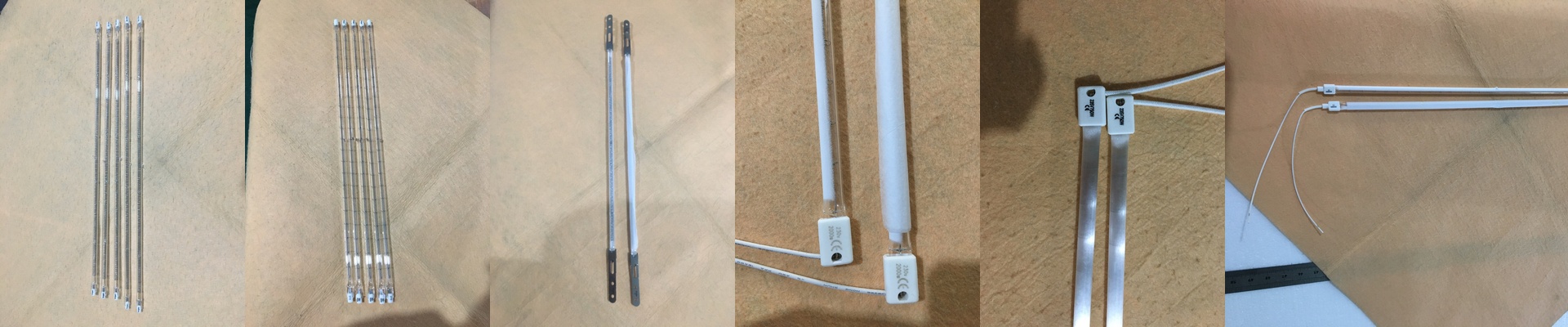
Halogen Tubes for Industrial Drying: Power, Design, and How They Get the Job Done
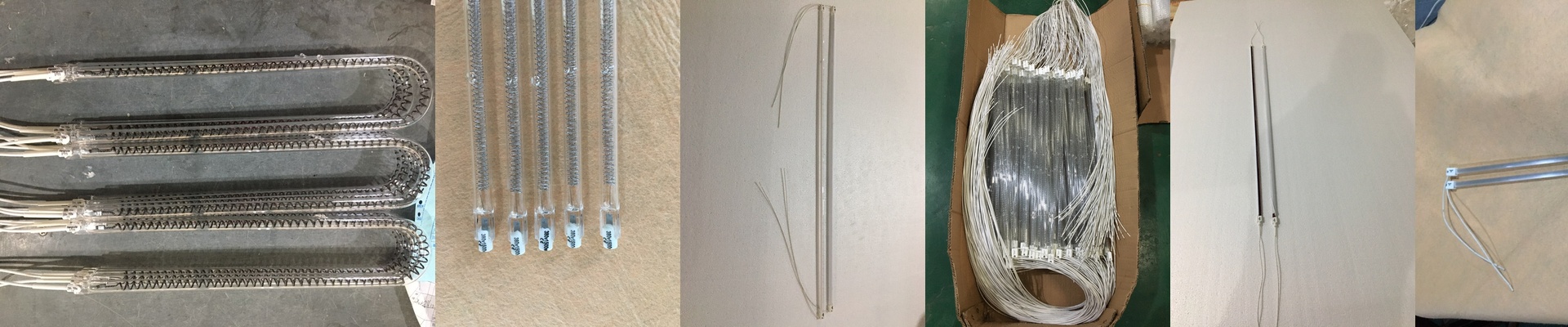
We built these halogen tubes for one reason: to dry things fast. They don’t mess around—delivering intense, focused heat right where you need it. These aren’t your average bulbs. They’re shortwave infrared heaters, tough enough for the factory floor, and designed to jump to temperature quickly so moisture doesn’t stand a chance.
Power, voltage, and size—made to fit your line
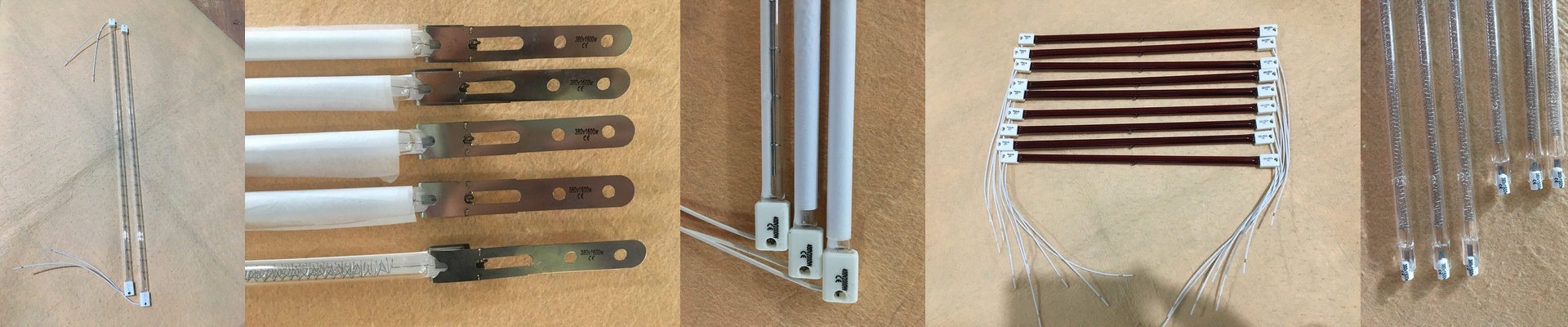
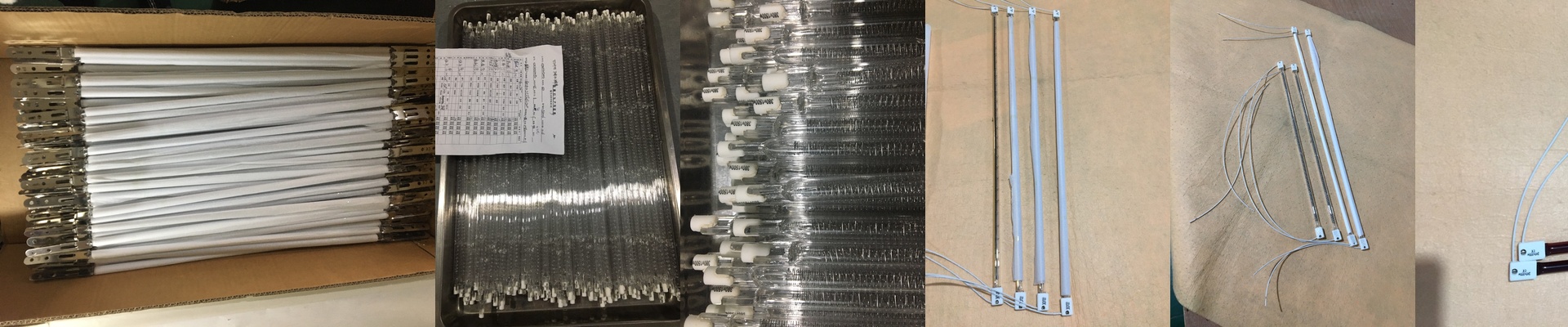
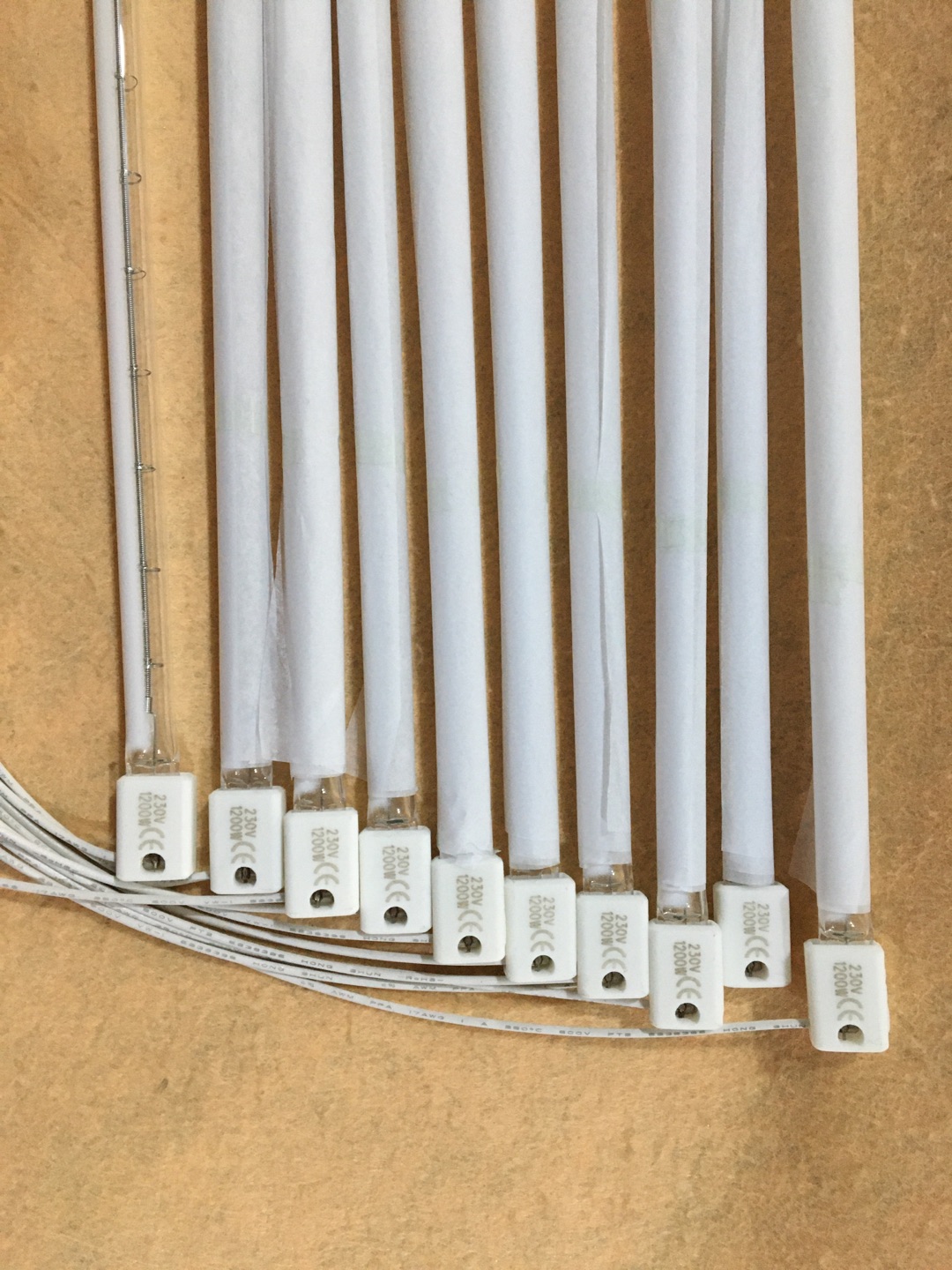
These tubes are all about high power in a small footprint. You’ll often see a setup like 2500W running on 400V. That high-voltage approach keeps the current lower, which means you can use thinner wiring and avoid voltage drop over distance. The length—around 300mm—is intentional. It’s a sweet spot that lets you squeeze the heater into tight spots on a conveyor or drying tunnel without cutting back on wattage.
What they’re made of—and why it matters
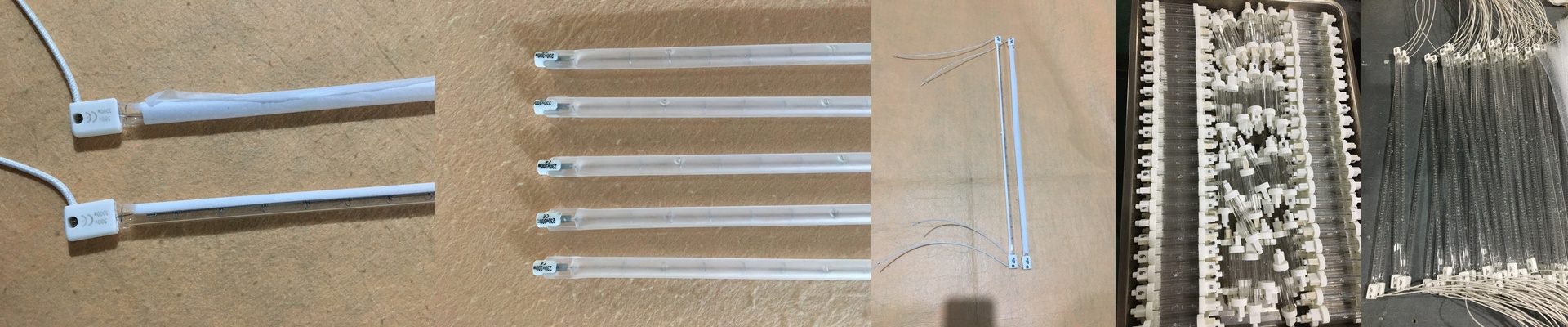
The body is high-purity quartz glass, chosen because it can handle the brutal shock of turning on and off instantly. Inside, the halogen cycle keeps the filament from blackening, so output stays steady over the life of the lamp. Many tubes also have a coating that filters specific wavelengths. That way, the energy hits the product, not your machinery. And the connectors? We use R7s because they give you solid, double-ended contact that can take the heat at the tube ends. When it’s time for maintenance, it’s a simple drop-in replacement. No overthinking.
Why speed is the whole point
In drying, speed wins. These tubes blast intense shortwave radiation that penetrates surfaces fast, evaporating moisture without heating up the air around it. That direct transfer is efficient—no wasted effort. But here’s the trade-off: that much power creates serious localized heat. The wattage is high, so your machine’s cooling system and reflectors have to be designed to handle it. Otherwise, the parts near the lamp can cook. The upside for you? Faster cycle times, a rugged heater, and wiring that’s straightforward. When something needs replacing, you can swap it and get back to work without re-engineering the whole setup.
The reality check: cooling isn’t optional
Run a 2500W halogen tube in a tight space, and you’re going to generate a lot of heat right there on the spot. The quartz tube can take the thermal shock, but your electrical cabinet and nearby sensors can’t. Make sure the enclosure has enough airflow—or active cooling—or you’ll end up shortening the life of the electronics around it.
The bottom line
Halogen drying tubes are a direct, no-nonsense answer for high-speed drying. They use high voltage to make wiring easier, pack that power into a compact quartz body for durability, and rely on R7s connections so service is quick. Just match the cooling to the wattage, and you’ll get the heat density you need to keep production moving.