


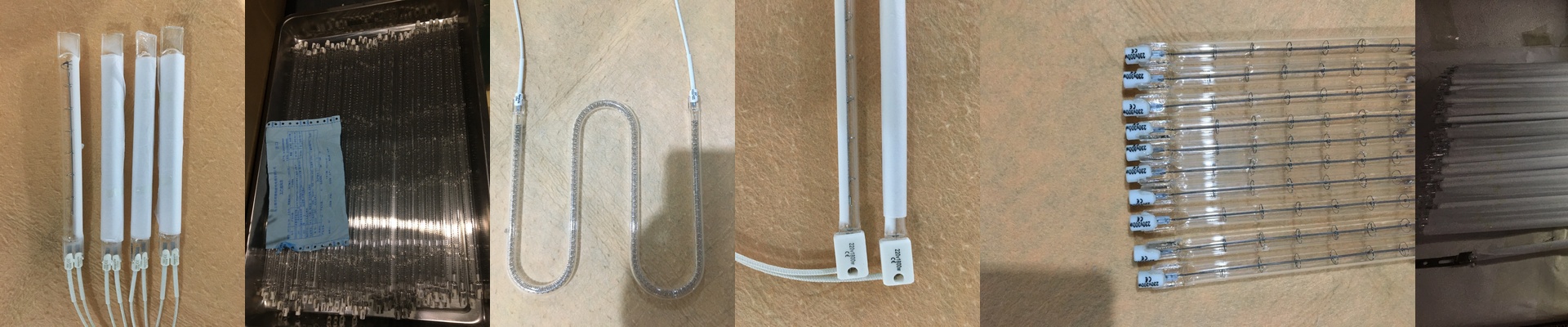


Stop Overpaying for Woodworking Heater Replacements
If you’ve ever worked with high-end edge-banders or veneer presses, you know the drill. The machine breaks, you call the manufacturer, and they hit you with a price tag for a replacement heating element that feels like a total shakedown. They want you locked into their proprietary parts. But here’s the thing: you don’t actually have to play their game. Most of the time, a standard industrial infrared lamp can do the exact same job. The real trick is making sure it fits and fires up without you having to rebuild the whole machine. Getting the physics right You can’t just throw any bulb in there. If you’re not careful, you’ll either fry the filament or leave your adhesive cold and tacky. I always look at three things: the electrical load, the thermal wavelength, and the physical size. If your machine calls for 230V and you pop in a 200V lamp, you’re asking for trouble. We match the wattage per centimeter exactly. That way, the heat hits the wood with the same intensity as the original part. No surprises. The “Fit” Factor This is where people usually get nervous. You’ve got to be obsessive about the connectors—whether it’s R7s or SK15 bases. If the fit is loose, you get electrical arcing. That’s a fancy way of saying sparks and potential fires. Not great. We use high-purity quartz glass because it can handle the stress of being turned on and off all day without cracking. And for woodworking? Stick with shortwave IR. It dives deep into the glue quickly, melting it perfectly without scorching your timber. A word of caution on power It’s tempting to go for a higher-wattage tube to speed up production. More heat equals more throughput, right? Maybe. But remember that your cooling fans and vents were designed for a specific limit. If you push the wattage too high, you might warp your mounting brackets or cook your control board. It’s a balancing act. Just wire it up, tweak your PID controller until it’s dialed in, and you’re back in business. You get the same performance as the brand-name part, just without the corporate markup.