



Let’s Talk About Swine Heating: Why You’re Paying Too Much for Logos
Keeping piglets warm is a balancing act. You need enough heat to keep them healthy, but not so much that you’re risking burns. Here is the truth: most of the big-name brands charge a massive premium just for their logo. But physics doesn’t care about branding. Whether a lamp works or not comes down to the quality of the quartz and how the filament is shaped. That’s it. We make our lamps to those exact same specs. We just cut out the middleman so you aren’t paying for a fancy marketing department.
Getting the Heat Right
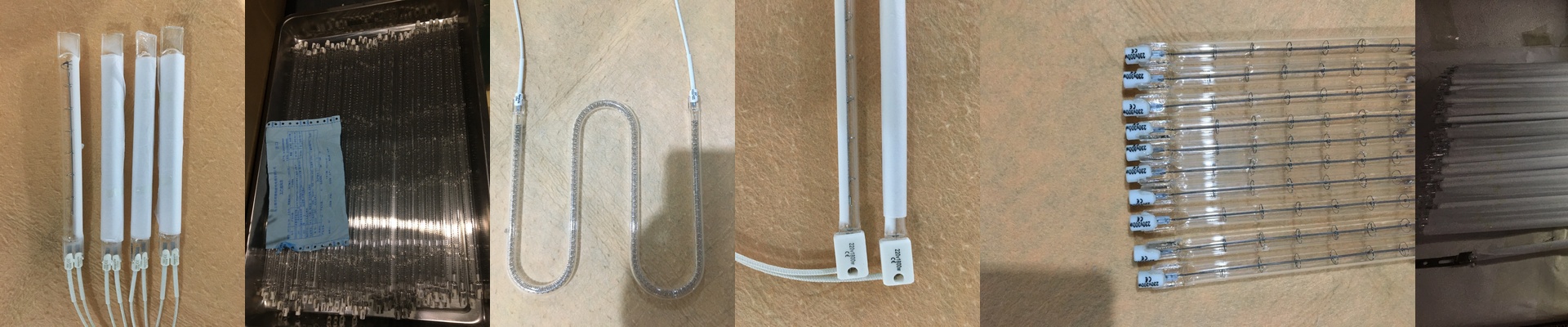
We build these lamps to survive the grind of a commercial barn. It’s all about the wattage-to-length ratio. If you go with a higher wattage in a shorter tube, you get a tight, intense heat spot. It’s great if you need targeted warmth, but you have to keep a close eye on the distance between the lamp and the piglets. You don’t want any accidents.
What’s Actually Inside
We use high-purity quartz glass. Why? Because cheap glass clouds up over time, and that kills your heat output. We also make sure the filaments are centered perfectly. When they’re off-center, you get “hot spots” that burn the lamp out way too early. Depending on what you need, we offer a few different coatings: ***Shortwave:**This hits the animals directly. ***Medium-wave:**This warms up the air around them. As for the setup, it’s easy. We use standard industrial connectors, so these are basically drop-in replacements. You don’t have to tear apart your housing or redesign your wiring just to switch brands.
The Real Trade-off
Saving money on the lamp doesn’t change the laws of electricity. A high-output lamp puts a lot of stress on your sockets and wiring. Just make sure your circuit breakers can actually handle the total load of the bank. And a quick heads-up: if your voltage jumps around, any quartz lamp is going to die faster—no matter who made it. We provide the heavy-duty hardware; keeping the power steady is the part you’ve got to handle.