

Getting Your Heat Right in an Automated Poultry House
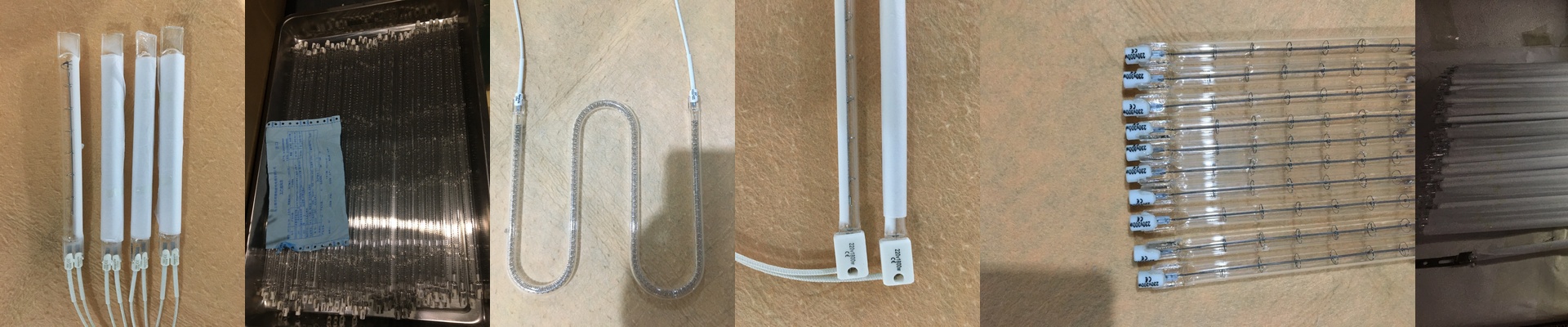
When you’re planning a new automated setup, it’s easy to look at infrared lamps as just another line item on a spreadsheet. But here’s the thing: the lamps you pick today are going to dictate your electric bill for the next ten years. If you just grab the cheapest option or guess on the wattage, you’re asking for trouble. You’ll end up with cold spots where the chicks huddle together—which kills your growth rates—or you’ll just be throwing money away on wasted kilowatts. The trick to the heat We usually stick with shortwave and medium-wave emitters for the big setups. The beauty of shortwave is that it hits the birds directly. It doesn’t waste time heating up the air first; it just gets the job done. But you have to be careful. Overdo the wattage and you’ll blow your budget. Underdo it, and you’ll see those birds piling on top of each other to stay warm. You’ve got to map out your spacing and do the math on your BTUs so you don’t have overlapping heat zones. It’s all about balance. Wiring and the “invisible” headaches If you’re running a massive farm, you can’t ignore voltage drop. It’s a silent killer. I always suggest high-voltage layouts for the big jobs. It keeps the current low, which means you can use thinner wiring and you won’t lose power over those long runs. Just keep an eye on your control panels. High-wattage lamps put a lot of stress on your relays and contactors, especially when they first kick on. If those parts aren’t rated for that initial surge, they’ll burn out way sooner than they should. The lifespan trade-off There’s a bit of a tug-of-war between how much heat you get and how long the lamp lasts. If you push a lamp to 110% just to cover a gap in your layout, be ready to replace those tubes about 20% faster. It’s a trade-off. If you keep them around 90% capacity, the thermal output stays steady and the filaments last much longer. And please, don’t skimp on ventilation. If the heat just sits There around the lamp housing, it’ll cook your sockets and degrade your wiring. Give it some room to breathe.