Introduction
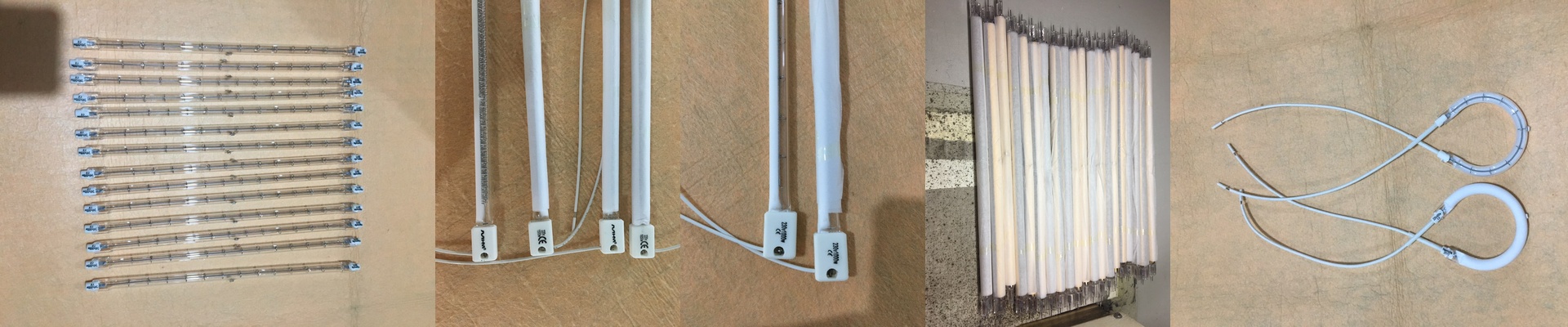
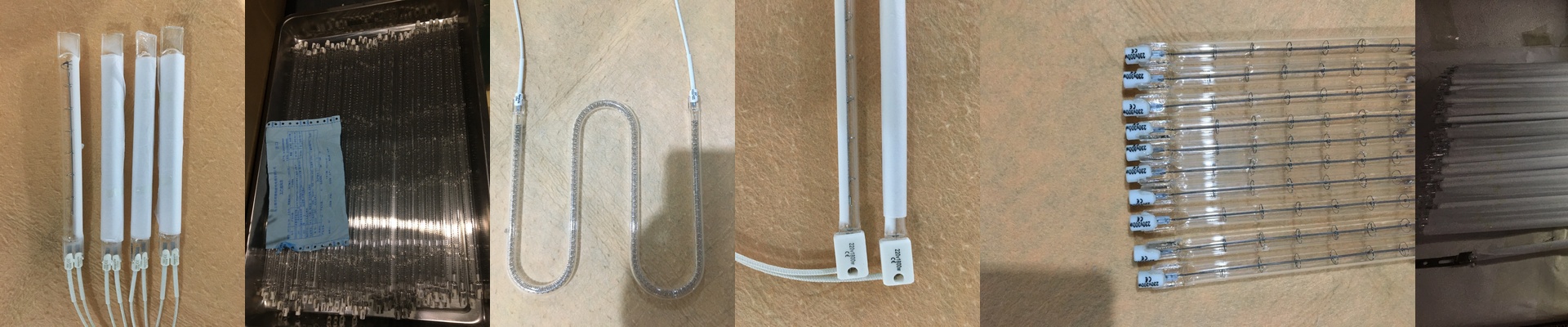
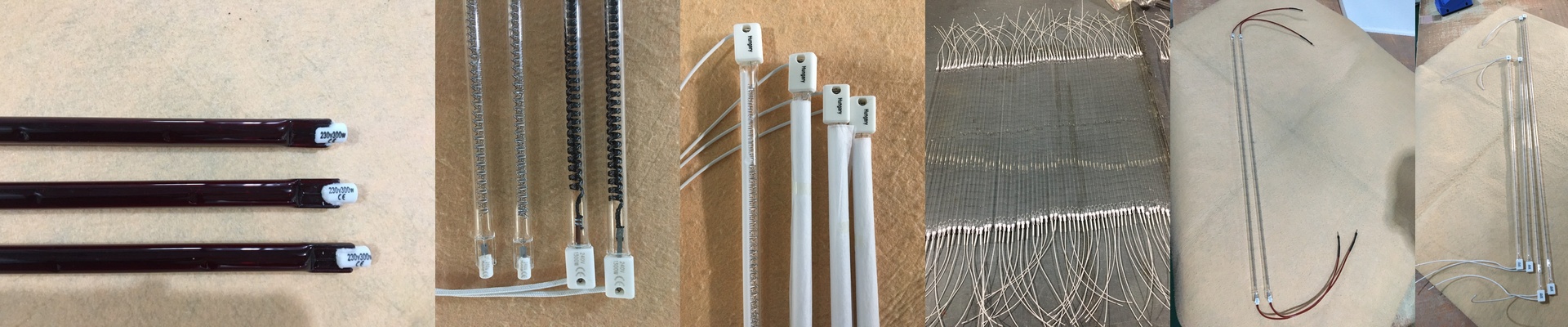
We build this 700mm infrared halogen lamp as a direct-fit, replacement heating element for industrial machines that need concentrated radiant heat. The core specs—415V, 2500W, and a 700mm tube—are not arbitrary. They are a deliberate match to high-density heating zones where space is tight and thermal response must be fast.
Technical Deep-Dive: Power, Voltage, and Dimensions
A 2500W rating on a 700mm length means you are running a high power density. That wattage density is what gives you rapid heat-up and stable process temperatures, but it also dictates the electrical supply. Running the lamp at 415V is a design choice that keeps current lower than a 230V equivalent. Lower current means smaller wiring, reduced voltage drop across the circuit, and less heat buildup in the terminals and socket. For you, that translates to fewer hot spots at the connections and a more stable supply under continuous duty. The 700mm length is a footprint decision. It is long enough to span a defined heating window, yet short enough to fit into compact heater blocks and reflector assemblies. If your machine has a 700mm slot, this length is the practical drop-in dimension.
Material & Design: Halogen, Quartz, and the R7s Connection
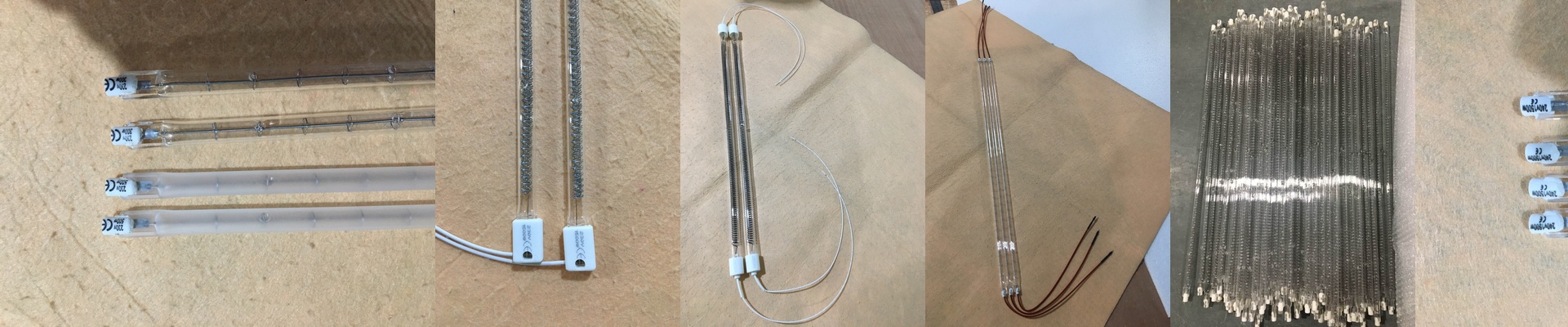
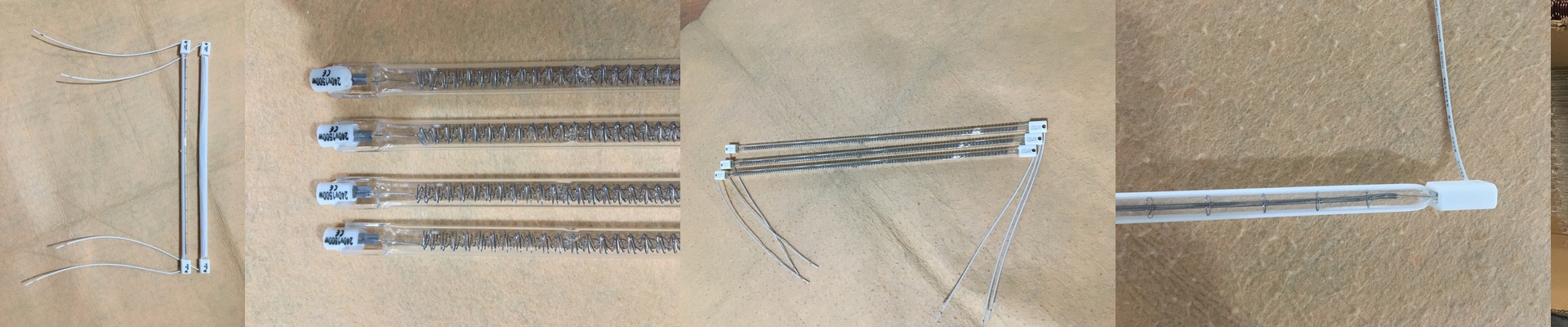
Inside the tube, the halogen cycle does real work. It keeps the filament cleaner by redepositing evaporated tungsten back onto the hot element, which helps maintain consistent output over the lamp’s life. The result is stable radiant intensity—important when you are holding a repeatable heating profile. The tube itself is quartz, not glass. Quartz withstands the thermal shock of rapid cycling and holds up to high operating temperatures. The quartz envelope also transmits infrared energy effectively, so more of the heat goes out as useful radiation rather than being trapped in the tube. The connector is R7s. That is the standard double-ended bayonet-style base used across many industrial heaters. It is a straightforward, mechanically secure connection that makes the lamp a true plug-and-play replacement. You wire it up to the existing socket, lock it in, and the electrical interface is repeatable.
Application & Benefits: High Heat Density with Engineering Trade-offs
This configuration is built for applications that require focused, high-intensity infrared heat: plastic heating and forming, component drying, curing, and other processes where the target heats quickly and the lamp must fit a constrained space. Because the wattage is high relative to the tube length, you get strong heat intensity in a small footprint. That is the advantage. The trade-off is real: the surrounding hardware—sockets, wiring, and the machine’s thermal management—must be rated for continuous high-temperature operation. If the cooling and insulation are undersized, the lamp and the adjacent electrical parts will run hotter than intended. As a replacement, this lamp gives you a straightforward upgrade path: match the length, match the voltage, and match the base. Keep the 415V supply matched to the 2500W load, and you maintain the intended current profile and temperature stability the machine was engineered to run.