


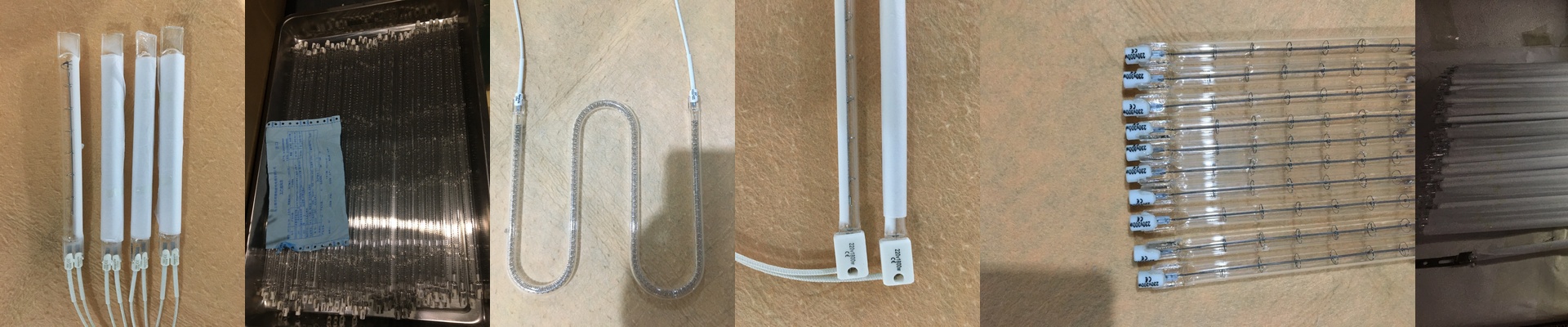


Stop Overpaying for Farm Heat
When you’re shopping for infrared heating lamps, it’s easy to just look at the price tag and pick the cheapest one. But here’s the thing: you aren’t just buying a bulb. You’re making sure your animals actually survive the winter. Most people get hung up on the upfront cost. We prefer to look at what it costs to keep the lights on and—more importantly—how many animals stay healthy.
How it actually works
Think about those big forced-air heaters. They try to warm every single cubic inch of a barn. It’s a waste. You end up heating the ceiling and fighting a losing battle against every draft that slips through the door. Our lamps work differently. They send heat straight to the animals. It’s like standing in the sun on a cold day—you feel the warmth immediately, even if the air around you is chilly. You’re heating the livestock, not the empty space above them.
Built for the grit
Farms are messy. Between the dust, the ammonia, and the constant moisture, most electronics just give up. We build our gear to take a beating. We use reinforced seals and high-grade quartz glass so the filaments don’t just pop the moment things get dirty. Plus, if you hook these up to a decent control panel with dimmers, you can dial the heat up or down as your animals grow. But a word of caution: these things put out a lot of heat. If you hang them too low, you’ll scorch your animals. You’ve got to get the height right and overlap the heat zones so there aren’t any cold spots in the pen.
The real math
Cheap lamps are a trap. They fail fast. Imagine it’s the middle of January, a lamp burns out, and you don’t notice until it’s too late. The cost of losing a single piglet is usually way higher than the price of a premium lamp. When you go with gear that lasts longer and uses less power, your monthly electric bill actually drops. It’s simple. You spend a bit more today so you aren’t bleeding money on replacements and wasted energy tomorrow.