


Getting Your Thermal Curves Right in PET Blowing
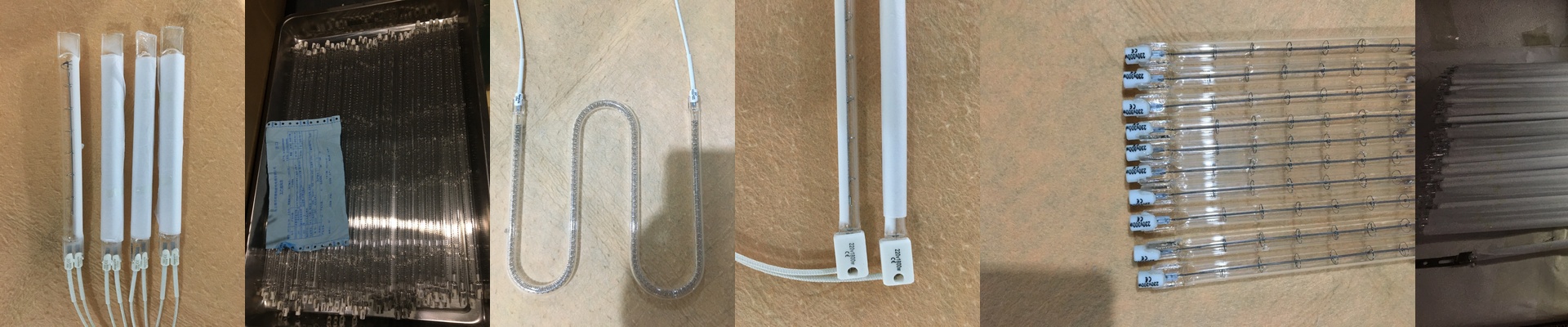
Here is the problem when you swap out OEM lamps in a Sidel Matrix or Sacmi SBF 24: your temperature curve can shift. It sounds like a small thing, but if the wattage or spectral output is even slightly off, your preheating gets messy. Suddenly, you’re staring at pearlescence or thin walls in your bottles. It’s frustrating. That’s why we build our replacement lamps to mirror the original electrical and thermal footprint. Exactly.
The nitty-gritty of matching parameters
To get a temperature curve that actually behaves like the factory spec, we obsess over the voltage-to-wattage ratio. See, a lamp isn’t just about raw power. It’s about how much heat is packed into every single millimeter. We spec these tubes to hit the exact voltage your oven’s power supply expects. If the resistance is off by a hair, the lamp draws the wrong current. That shifts the IR wavelength, and your heating goes sideways. We use high-purity quartz and specific halogen fills. This makes sure the shortwave emission peaks right where the PET resin is most likely to soak it up. No more fighting those annoying “cold spots” you get with cheap, generic replacements.
Just plug them in and go
These are true drop-in replacements. We use the same connector footprints—whether you’re dealing with an R7s or a specialized SK fitting. You won’t have to touch your wiring. The quartz envelope is tough, too. It’s built to handle the constant heating and cooling cycles without bowing or warping under the pressure. Plus, we apply specific coatings to the glass. This pushes the heat forward into the preform instead of letting it bleed out into the oven walls. It’s just a smarter way to use your energy.
A quick reality check
Here is something to keep in mind: high-density IR lamps put a lot of stress on your reflectors. If your reflectors are pitted or oxidized, even the most perfectly matched lamp won’t hit the target temperature. You need clean surfaces to actually feel the difference a precise thermal curve makes. Do yourself a favor and check the state of your reflectors before you swap out a full bank of lamps. It saves you from chasing “ghost” temperature drops that aren’t actually the lamp’s fault.