



The Real Deal on Halogen Surgical Lamps
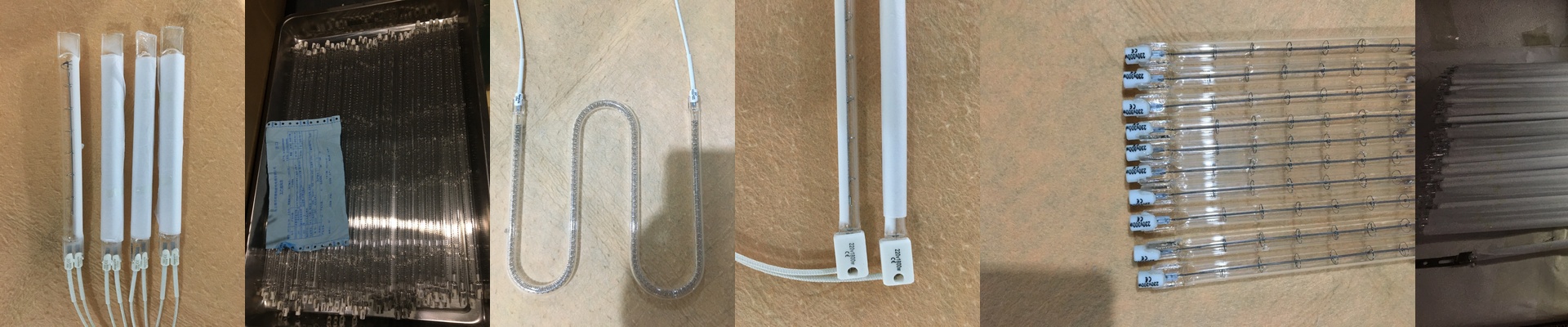
When you’re in the middle of a surgery, you can’t be guessing what you’re looking at. You need to see the difference between various tissues clearly, and that’s why we still lean on halogen. We use a tungsten filament tucked inside a quartz envelope with halogen gas. It’s a classic setup, but it works because the color rendering is spot on.
How the magic happens (and the heat problem)
Here’s the thing about the “halogen cycle.” As that filament gets hot, the tungsten evaporates, hits the gas, and then jumps right back onto the filament. Why does that matter? Because it keeps the glass from turning black. You get a steady, bright white light that doesn’t just fade away like a cheap lightbulb in your living room. But there’s a catch. To get that light deep into a cavity, you need high wattage. And high wattage meansserious heat. If your housing doesn’t have a great heat sink or some solid airflow, the bulb is going to burn out way faster than it should. It’s a simple rule: keep it cool, or keep buying new bulbs.
The nuts and bolts
We stick with high-purity quartz for the envelope. It’s tough. It can handle the shock of being powered on and off rapidly without just cracking under the pressure. Then there are the connectors. We use standard pins or spring-loaded contacts because a tight fit is everything. If the connection is loose, you’ll get an electrical arc. That’s a quick way to fry your socket.
The trade-offs
If you’re working with older surgical arrays, these lamps just slide right in. Plus, they have a warm glow that’s a lot easier on a surgeon’s eyes than those harsh, early-gen LEDs. But let’s be honest about the downside: the infrared radiation. These things get hot. Like, “dry out the patient’s tissue” hot if you get too close. It’s all a balancing act. You’ve got to find that sweet spot with the focal length—enough intensity to see everything, but far enough away to keep the patient safe.