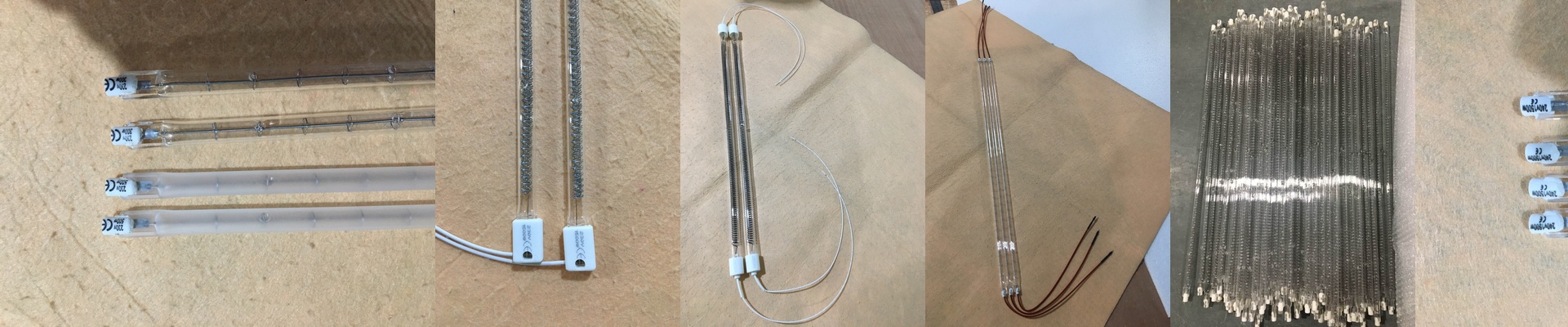
Introduction
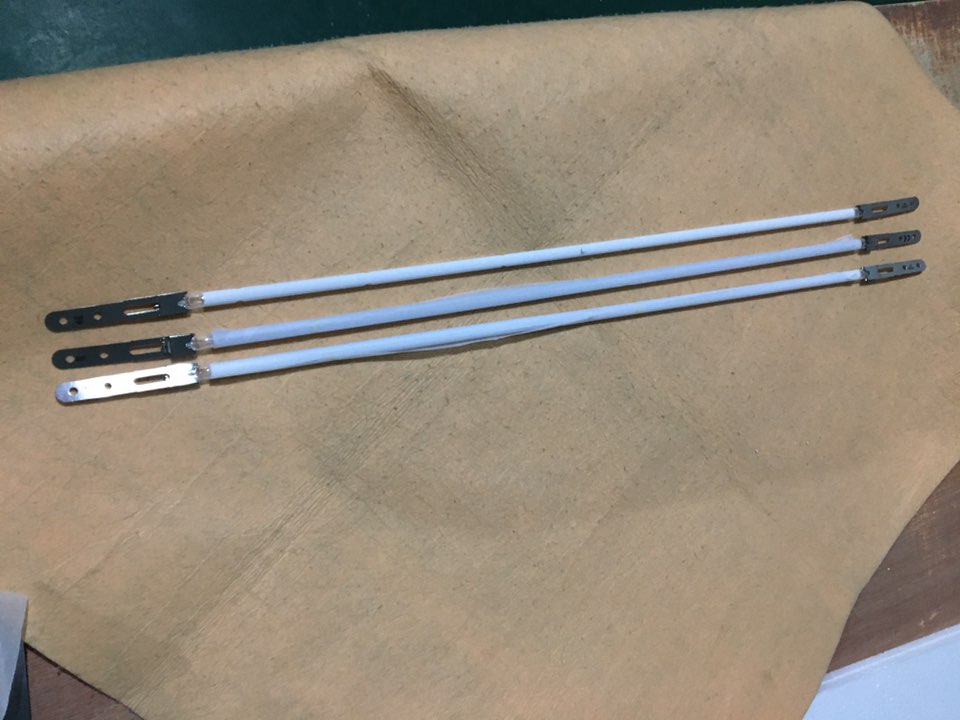
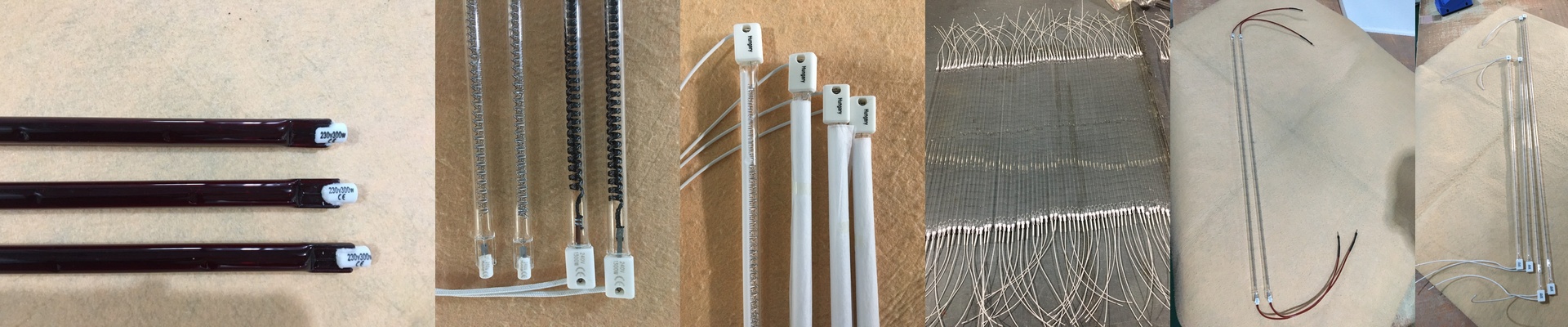
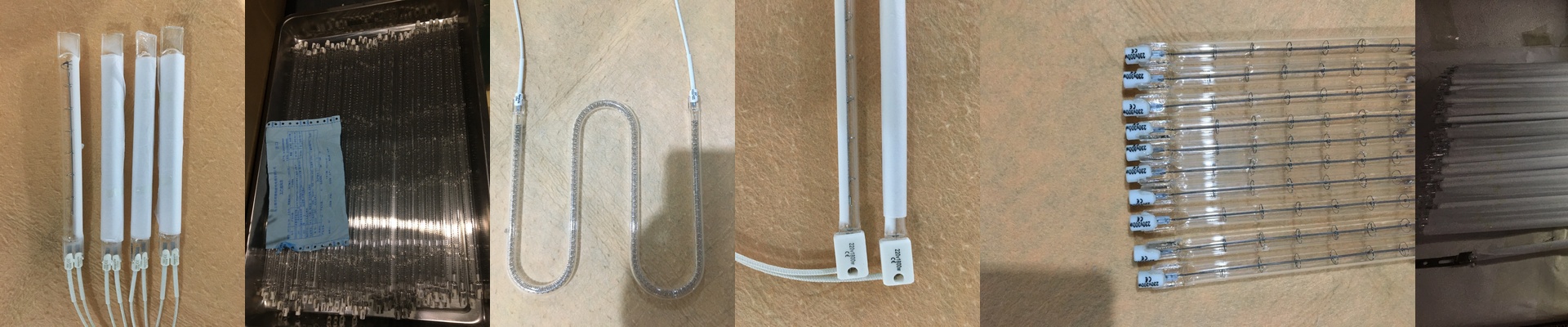
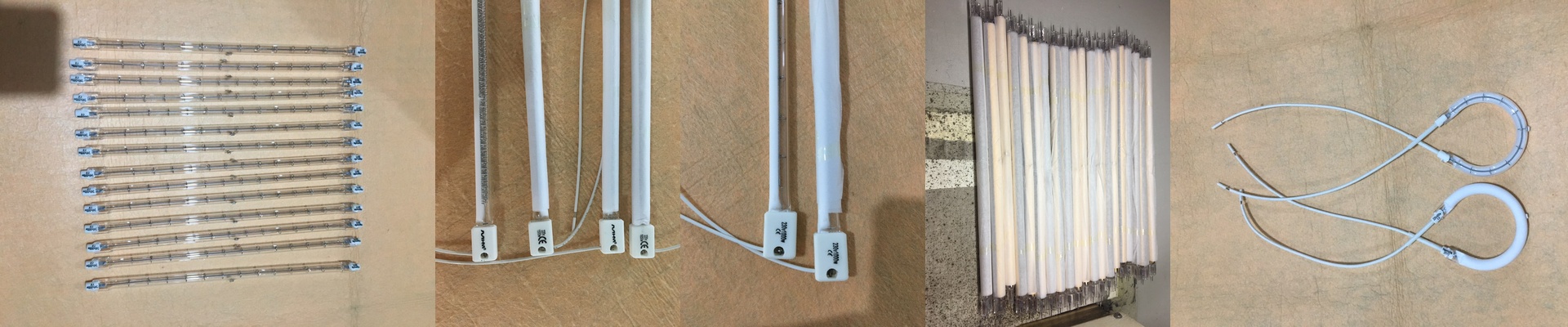
We built this 4000W infrared halogen heating tube for one reason: to get things hot, fast. Right where you need it. Think of it as a direct blast of heat—perfect for industrial jobs that demand quick, focused warmth. Whether you’re curing coatings, heating platens, or working with plastics, this 980mm lamp is designed to deliver serious energy into a tight spot. The whole point? Heat up your target material quickly, with control you can count on.
Power, Voltage, and Geometry—What It Really Means for You
That 4000W rating? It’s not just a number. It’s what you need when your process runs in short bursts and demands a lot of heat, fast. And the 980mm length? That gives you a heating zone that actually matches your part or your machine width. Less wasted heat. Better energy distribution. Here’s the practical part: this tube is usually run at high voltage (around 400V). That means you get the same power with lower current. Lower current gives you smaller wiring, less energy lost as heat, and less strain on your connections and contactors. But—and this matters—high voltage means you’ve got to get the insulation and safety right, both in the control panel and right at the lamp socket.
The Inside Story: Halogen Physics and a Tough Build
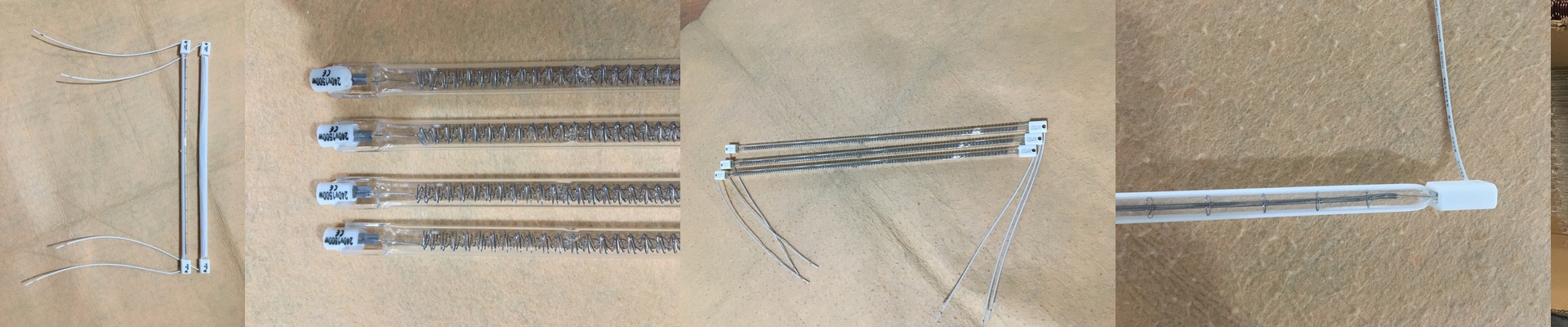
Inside, the halogen cycle keeps the filament stable, even at extreme temperatures. That’s the key to avoiding the quick blackening you see with standard bulbs, so the heat output stays steady over the life of the tube. The quartz envelope handles rapid on/off cycling without cracking under thermal shock, and it stays highly transparent in the infrared range. And we made this a true drop-in solution. It’s fitted with an R7s base, so you can wire it straight into your existing fixture—no redesign needed. The halogen fill and tight filament layout keep the infrared focused, which translates to faster heat-up and better control when you need a repeatable process.
Where It Shines—and What to Keep in Mind
Use this tube whenever you need clean, fast heat with minimal warm-up time—thermoforming, adhesive curing, drying, and certain blow molding operations are right in its wheelhouse. The power density is high, so you get the temperature rise you need to keep cycle times tight. Because the heat is concentrated in a defined footprint, you can often use less total energy than heating an entire chamber. Just remember: that kind of focused intensity means your machine’s cooling and thermal management need to be up to the task. This lamp puts out serious radiant heat—plan for where that heat goes, and make sure surrounding components can handle it.