


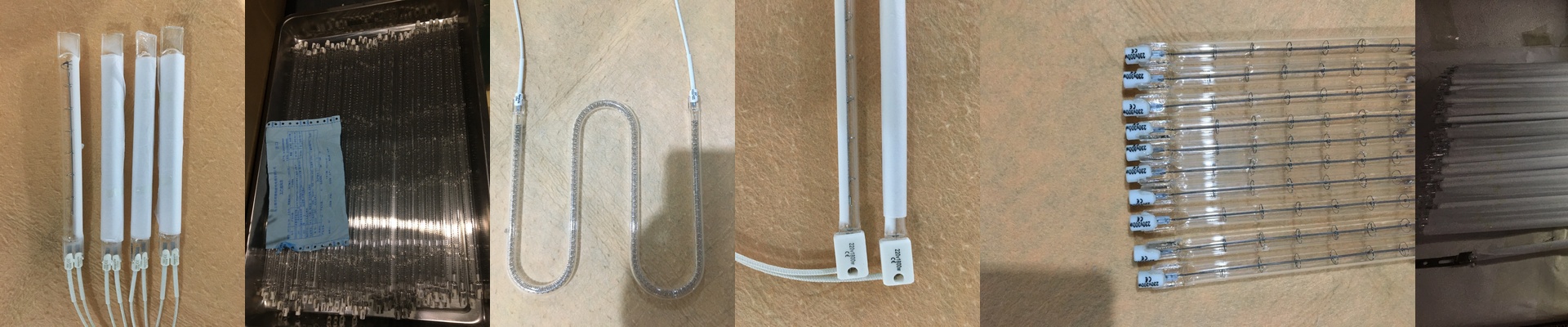


Why we stick to a standard for our infrared heating lamps
If you’ve ever run a brooding system, you know the struggle of getting the temperature just right. It’s a balancing act. We designed our infrared lamps to solve a specific problem: how to keep the animals warm without turning the entire room into a sauna. Our lamps use a shortwave spectrum. In plain English? The heat goes straight into the animal, not the air around them. It’s way more efficient than those old forced-air systems that just waste energy heating the ceiling.
Getting the heat where it belongs
We use high-wattage quartz tubes because they pack a punch. We’ve tweaked the voltage and filament length so these things heat up in seconds. It’s fast. Really fast. That matters because your controllers can react to sensor data in real-time. If your setup is running on a heavy-duty industrial grid, these lamps can take the load. No flickering, no sudden pops, and no filaments burning out because the power spiked.
Built to actually last
Nobody wants to be climbing a ladder to replace a bulb every other week. That’s why we use high-purity quartz glass. It handles “thermal shock” like a pro, so the glass won’t crack when the system clicks on and off all day. Inside, there’s a halogen gas mix that basically “recycles” the tungsten back onto the wire. It keeps the lamp alive longer. Plus, we use standard connectors like R7s or SK15. If one does go out, you just pop it out and slide a new one in. No rewiring the whole rig required.
A few things to keep in mind
These lamps put out some serious heat. Because they’re so intense, you’ve got to make sure your housing can handle the temperature of the quartz tube. If you use cheap plastic brackets, they’re going to melt. Keep at least 15cm of space between the lamp and anything that could catch fire. Just a simple safety rule that saves a lot of headaches. When you plug these into your automated line, everything just clicks. You get a steady, consistent heat map across the floor. Your animals stay happy, and your electric bill stays lower because you’re actually heating the livestock, not the air.