



Stop Your Infrared Tubes From Popping
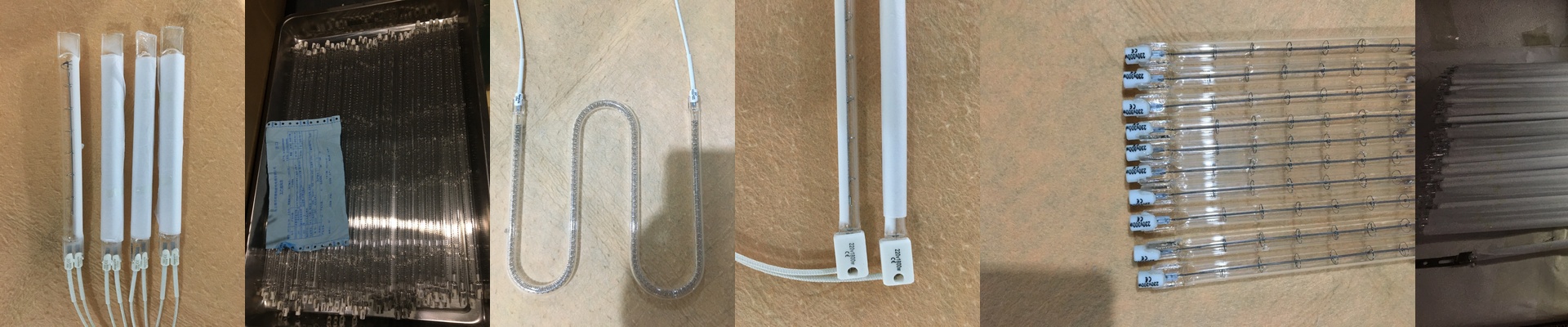
When you’re cranking up the heat to dry wood, you’re playing a dangerous game with thermal shock. If that quartz tube can’t handle the heat load or spread it out evenly, it’s going to burst. It’s a mess nobody wants on their shop floor. That’s why we build our heaters to take those spikes without giving up. The fight against heat stress To actually get heat into the core of a piece of timber, you need a lot of power packed into every centimeter. It’s an intense process. We use high-purity quartz glass because it doesn’t warp when things get scorching. But the real secret is the tungsten filament. It has to be dead-center. If it sags even a little or touches the wall, you get a hot spot. And a hot spot is basically a countdown to a crack. We keep the tolerances tight so that doesn’t happen. It’s all about the connection A lamp is only as strong as where it plugs in. We use reinforced end-caps and heavy-duty connectors because machines vibrate. A lot. If the tube shifts, you get electrical arcing at the terminals. That creates a tiny, intense burst of heat that can snap the quartz. We lock the tube into a rigid bracket, which takes the mechanical pressure off the glass.It just stays put. The honest trade-offs High-density output is great because your drying cycles are lightning fast. But there’s a catch. It puts a lot of pressure on your power supply and your cooling. Here’s the thing: your reflectors have to be spotless. If dust builds up, the heat bounces back into the tube instead of hitting the wood. The quartz gets hotter than it was ever meant to be, and then it burns out. To avoid that, you’ve got two choices. Set a strict cleaning schedule or install a forced-air cooling system for the housing. It’s a small bit of maintenance that saves you from a total shutdown.