

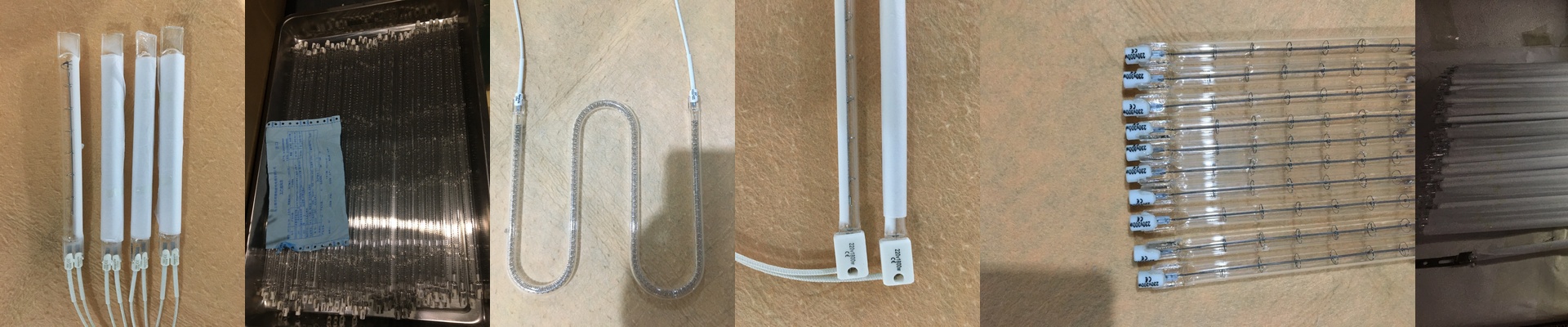


Stop Overpaying for Your Wood Drying Lamps
Let’s be honest: OEM spare parts are a rip-off. When you’re running high-end drying machinery, it feels like the brand-name replacement lamps cost more than the actual hardware they go into. It doesn’t make sense. That’s why we built our infrared lamps. They do the exact same job as the big-name brands, but without the “logo tax” added to the bill.
Getting the Heat Right
Here is the thing about wood dryers: they’re picky. To get that moisture out evenly, you need a very specific balance of wattage and length. If you’re swapping out a burnt-out tube, you’ve got to get the voltage spot on. If you put a 400V tube into a 230V circuit, it’ll never get hot enough. You’ll end up with wood that’s dry on the outside but damp in the middle. On the flip side, over-volting a lamp is a great way to fry it in a few hours. We spec our filaments to keep the heat steady across the whole tube. No hot spots, no scorched timber. Just a clean, consistent dry.
The Nitty-Gritty: Quartz and Connectors
These lamps take a beating. They go from ice-cold to scorching in seconds, over and over again. To handle that stress, we use high-purity quartz glass. It’s tough. And then there are the connectors. Whether you’re using R7s or Sk15, the fit has to be tight. If it’s loose, you get electrical resistance. That leads to arcing, and before you know it, you’ve melted your socket. Not a fun way to spend a Tuesday. Depending on what you’re drying, you can go with clear or coated tubes. The coated ones shift the heat spectrum, which helps the warmth soak deeper into dense hardwoods. It just gets to the core of the board faster.
A Quick Word of Caution
It’s tempting to just throw in a higher-wattage lamp to speed things up. But be careful. More power means more stress on your wiring. If you decide to beef up your output, take a look at your contactors and wire gauges first. You don’t want to push your system past its limit and risk a total failure. Otherwise, these are simple. They’re direct replacements. Pop them in, set your timers, and get back to work.