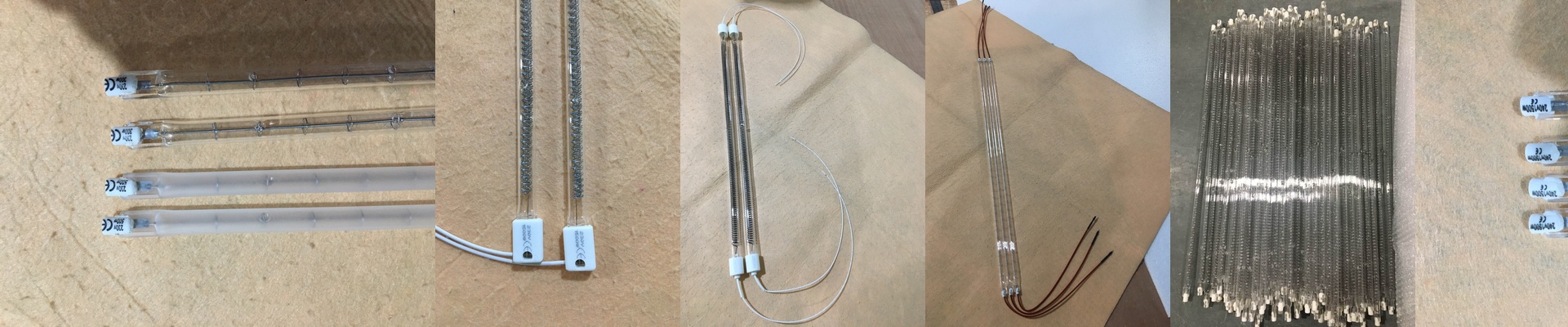
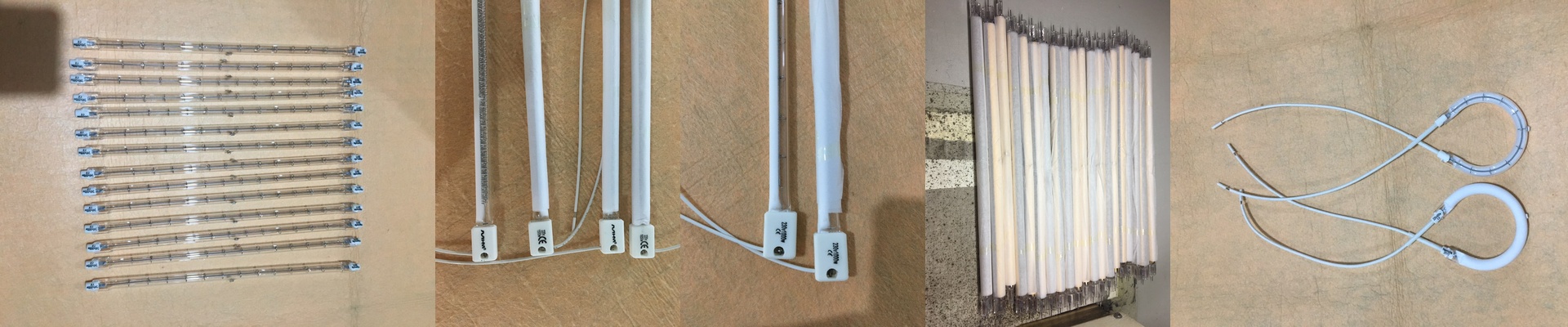
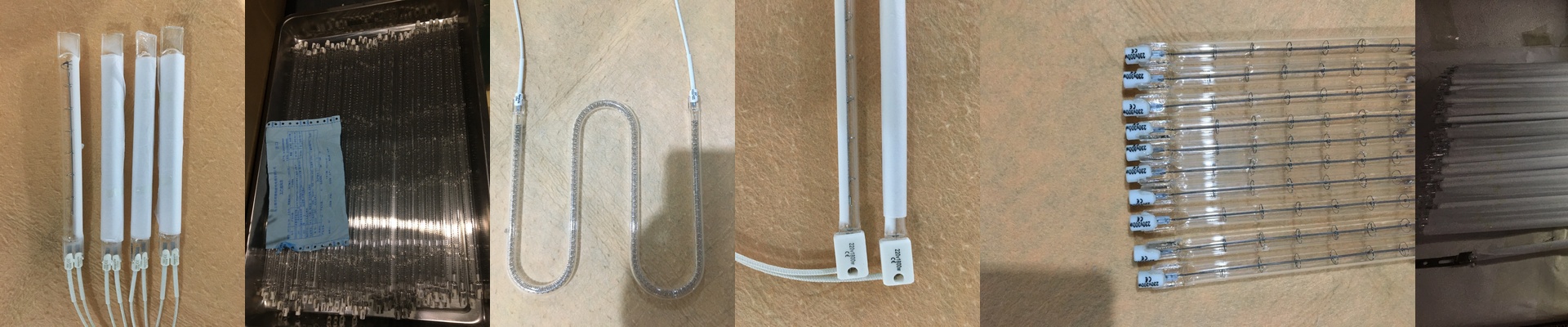
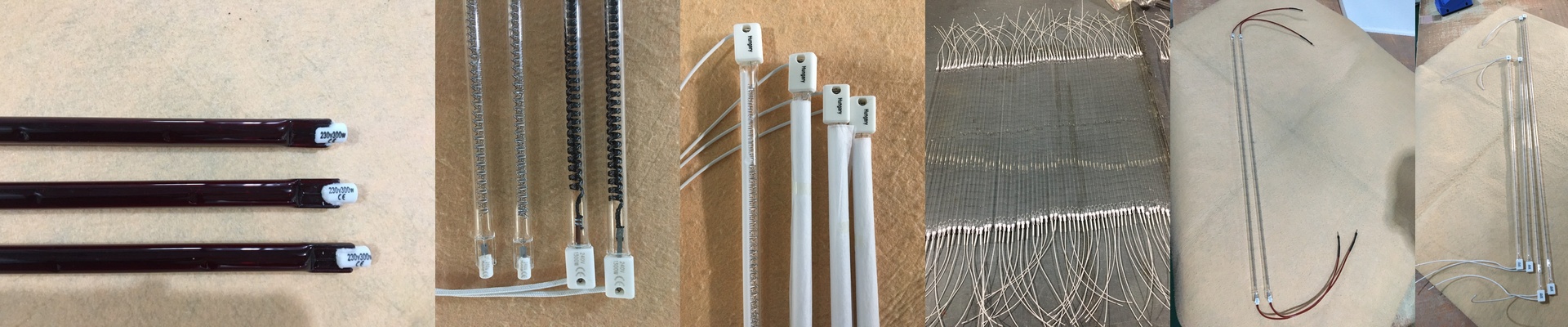
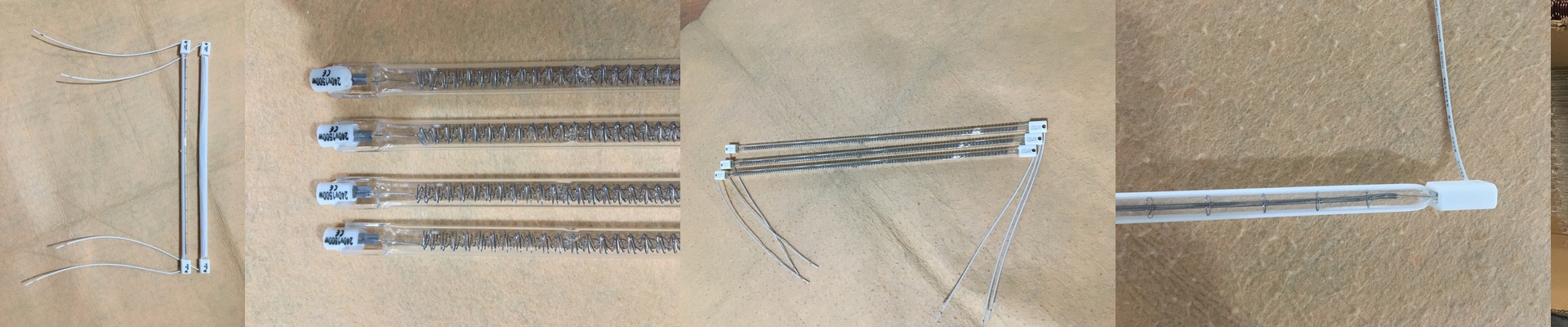
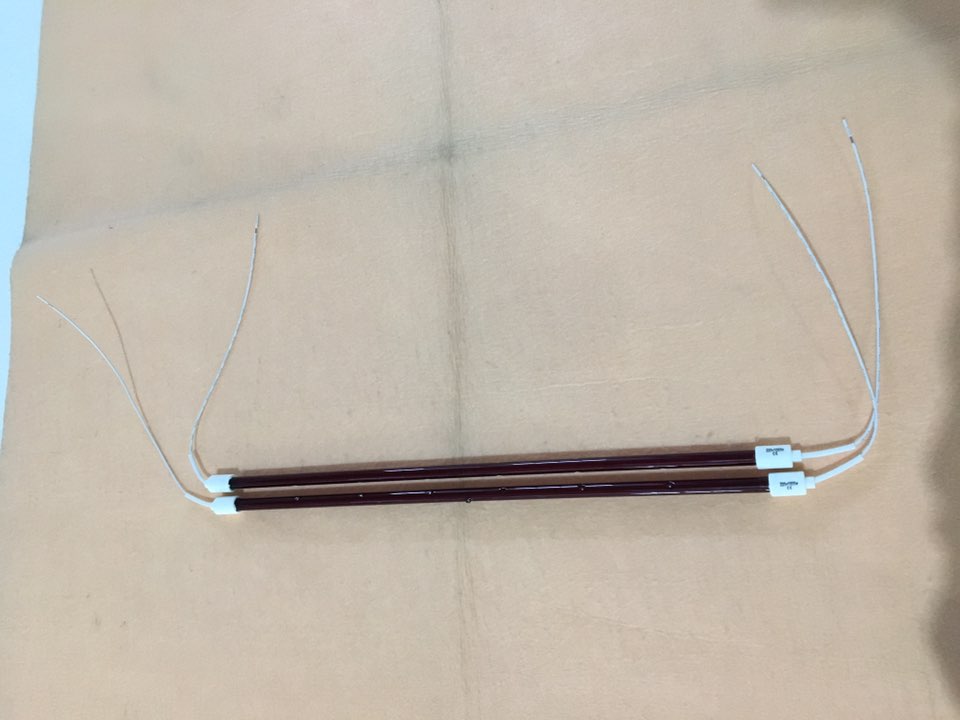
500W Halogen Tube: The Heat Workhorse for Tight Spaces
We built this 500W halogen tube for the moments when you need serious heat, but you don’t have the room to spare. It’s the kind of tool you reach for when your industrial process is squeezed for space, but you still need precise, reliable temperatures. Think of it as your go-to for jobs that can’t wait—like plastic forming, sealing, or spot heating on the line. It gets hot, fast. And once it’s hot, it stays steady. No fuss, no waiting around.
What’s Under the Hood
That 500W rating isn’t just a number—it means serious heat packed into a small footprint. You get predictable, concentrated power exactly where you need it. We match the voltage to your setup so the lamp ignites smoothly and runs without hiccups. And the size? It’s intentionally compact, so it slips into tight spots without forcing you to redesign your whole machine. The short arc path is a quiet hero. It focuses the energy right where you want it, which means less wasted heat and quicker response when your process cycles change.
Built to Last, Built to Work
The secret to its longevity is the halogen chemistry inside. It keeps the quartz envelope clean by recycling the tungsten, so the filament lasts longer and the output stays consistent over time. And that quartz body? It’s tough. It handles high heat and shrugs off the shock of repeated on/off cycles. No cracking under pressure. The R7s connector makes installation a breeze. It’s solid, aligns quickly in the mount, and carries current without a wobble. This is a direct-wire design—no ballast, no extra box. You wire it, clamp it, and you’re running.
Where It Shines
This tube is made for process heating where speed and repeatability matter. You’ll see it in PET preform heating, plastic welding, and packaging sealing—places where fast temperature recovery keeps your cycle times on track. Because it’s so compact, it slips right into existing machines. Swapping one in feels like a simple, straightforward replacement. One thing to keep in mind: that high heat density means the surrounding hardware needs to be ready for it. Make sure airflow and shielding are in place. Otherwise, you risk overheating nearby parts.