Why we built this thing
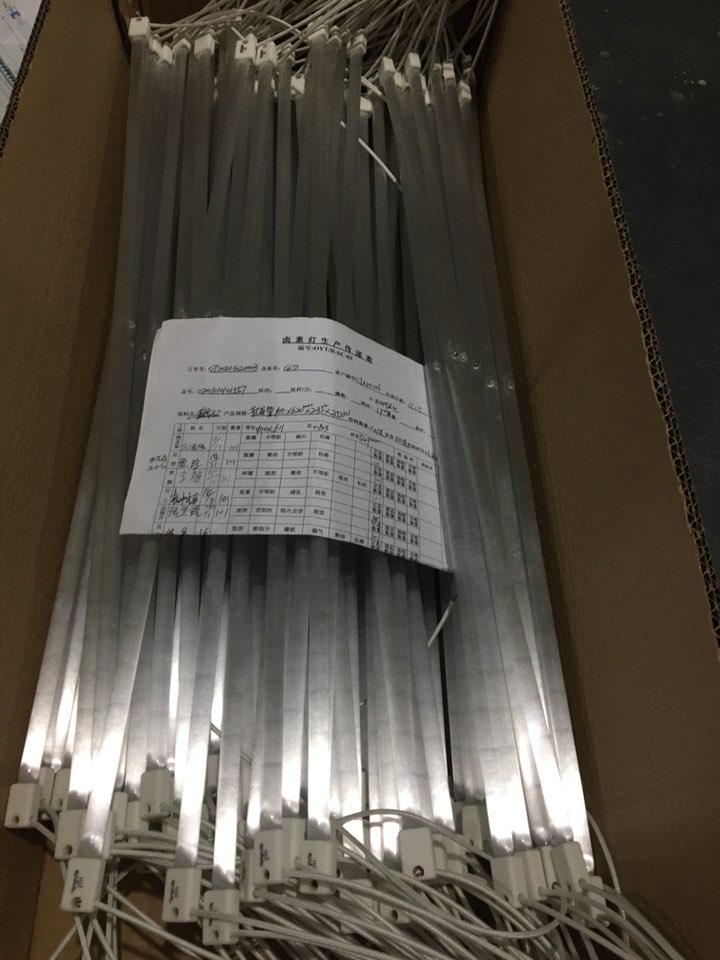
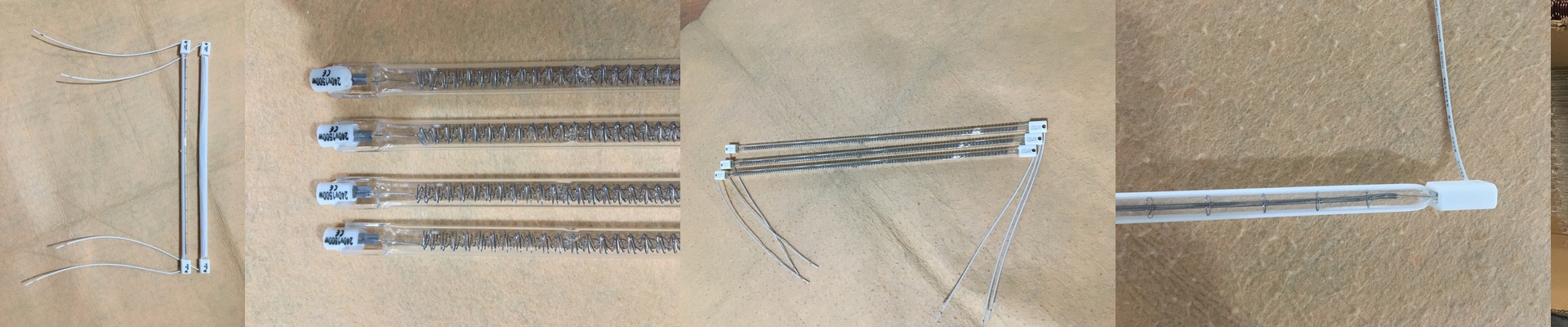
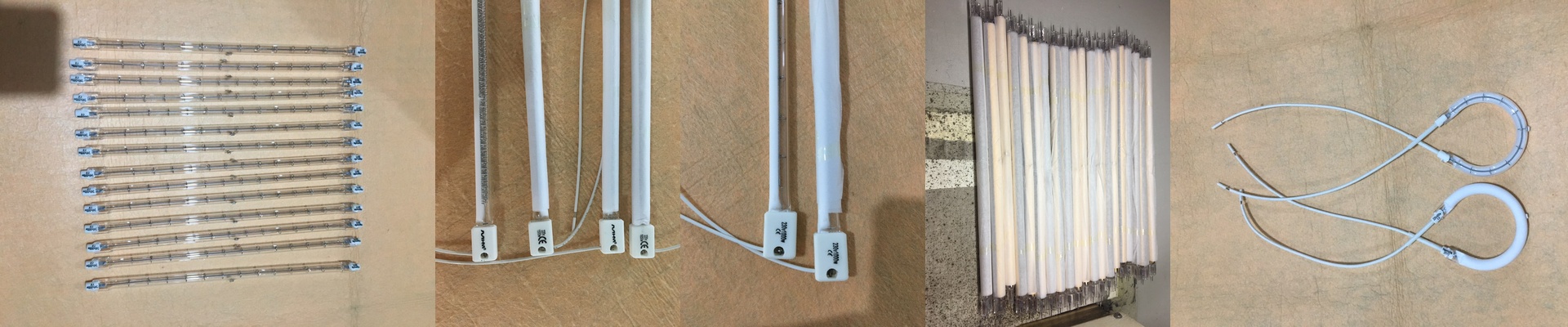
We built the 700mm, 2000W half-white halogen heat lamp for one simple reason: to cram serious heat into a small space—where standard heaters just can’t fit. This isn’t about warming the air around something. It’s direct radiant heat, aimed right where you need it. If you’re an engineer who depends on steady temperature curves and repeatable output, this lamp was made for you. It’s built to take the heat cycle, day after day, without getting sloppy.
Power, voltage, and why the length matters
That 2000W rating on a 700mm tube? Not random. It sets the heat density along the length, which is what decides how quickly you hit your target temperature—whether it’s a pre-heat zone, a forming surface, or a drying line. And the 700mm length gives you a predictable radiant field width. So you can match the heating window to the part, without heating a bunch of empty space around it. Here’s the part people skip: voltage isn’t the same as wattage. Wire this to the wrong supply and you either underperform—or you over-current and burn the lamp out fast. Match the nameplate voltage to your machine. Also, 2000W means serious current. You need the right wire gauge and solid terminations, so you don’t end up with hot spots at the socket.
Inside the lamp: halogen chemistry, quartz, and the connector that saves time
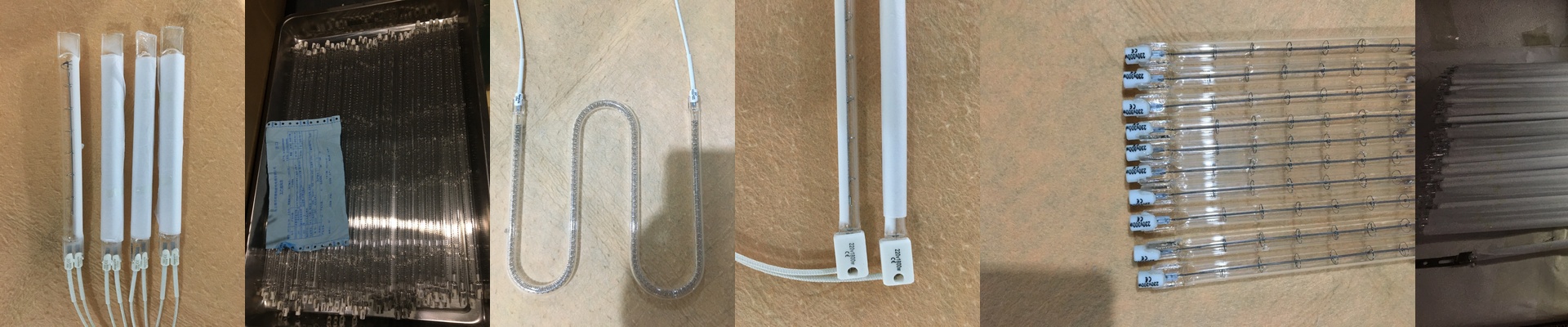
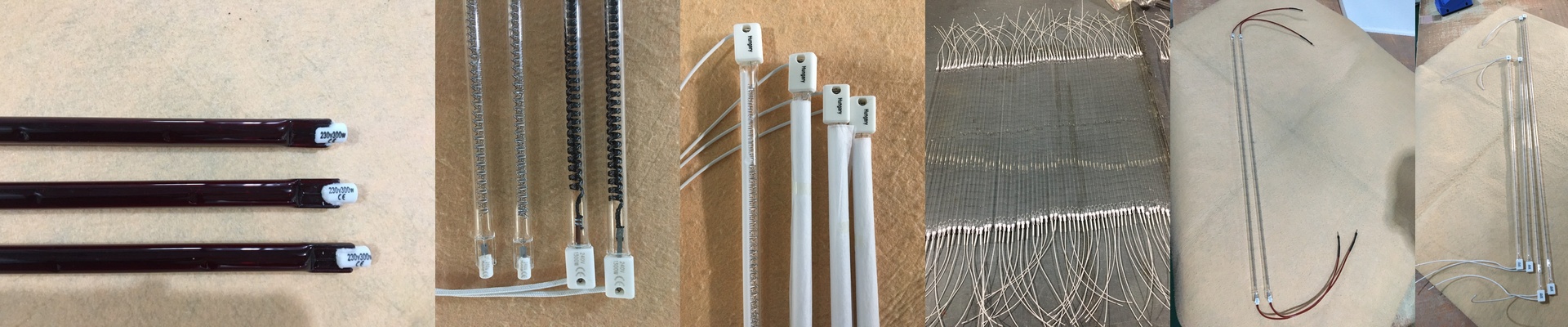
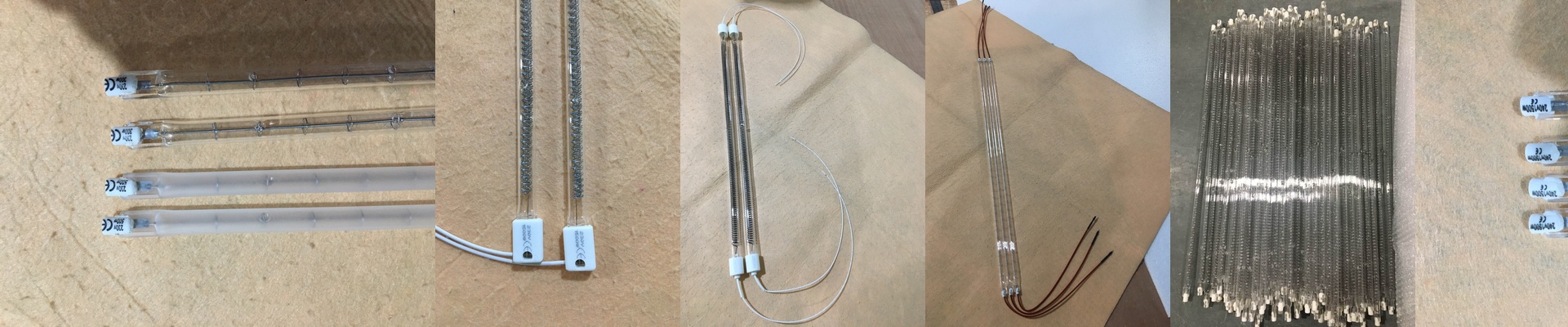
The “half-white” look comes from the halogen cycle inside a quartz envelope. The filament runs hotter than a standard incandescent, shifting the spectrum toward shorter wavelengths—so the thermal response feels quicker. And the halogen gas does a neat trick: it redeposits evaporated tungsten back onto the filament. That helps the lamp hold steady output over its life, instead of fading into a dimmer, weaker version of itself. Quartz isn’t a fancy choice—it’s the practical one. It handles the filament temperature and the shock of rapid on/off cycles way better than glass. The coating isn’t just for looks either. It’s a controlled filter that shapes the spectrum and cuts glare. Mounting is straightforward, thanks to a standard bi-pin connector—usually R7s. Pop the lamp in, align it in the reflector, and lock it down. No custom brackets, no headache.
Where this lamp shines—and what to watch for
Use this when you need intense, localized heat that recovers fast. It’s great for pre-heating mold surfaces, keeping narrow sealing lines at temperature, and any process that needs immediate radiant energy. But there’s a trade-off. With 2000W packed into that footprint, the surrounding hardware feels the heat. Plan airflow and shielding to protect nearby components, or the lamp will end up fighting its own reflected heat. Reflector alignment and thermal isolation aren’t “extra steps.” They’re part of the install. If your machine has the right voltage and the clearance, this lamp is a clean way to boost heat flux without tearing apart the whole heating setup.