



Stop Heating the Air: Why Infrared Beats Steam for Wood Drying
If you walk into most furniture factories, you’ll see the same old setup: massive boilers and a spiderweb of pipes running across the ceiling. It’s the way things have always been done. But let’s be honest—it’s a nightmare. You’re spending a fortune to heat up the entire room just to dry a few pieces of wood, and half that heat vanishes through leaky pipes before it even hits the timber. There’s a better way to handle this.
How it actually works
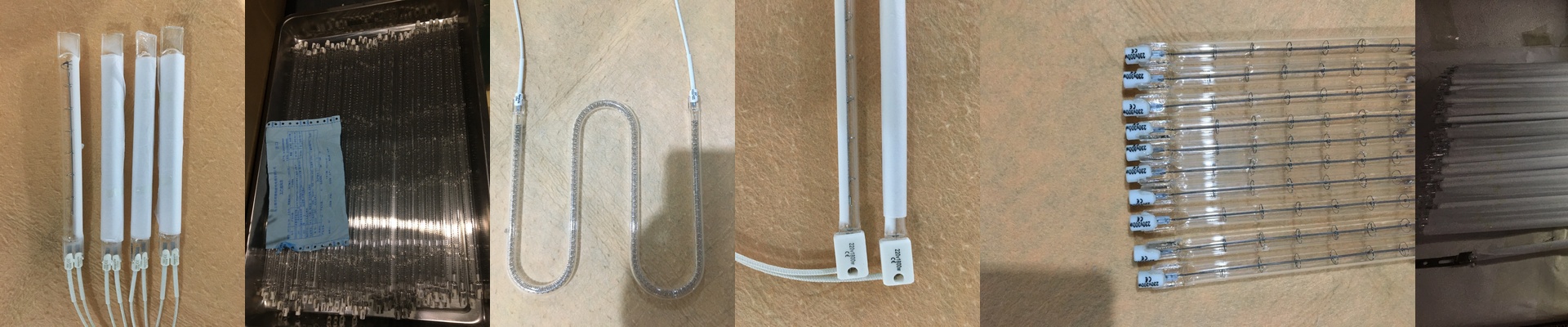
Think about steam for a second. It’s slow. You have to heat the air, and then wait for that air to warm up the wood. It’s like trying to warm up a house by opening the oven door. Infrared lamps are different. They don’t mess around with the air. They send energy straight into the grain of the wood. We use short and medium-wave emitters that target the moisture where it lives. You aren’t heating the factory; you’re just heating the workpiece. It’s direct, it’s fast, and it makes a lot more sense.
The real impact on your wallet
When we talk about whether this pays off, it usually comes down to three things. First, the waste. Steam systems are notorious for leaking and venting. With IR, you just flip a switch. The heat is there instantly. No more idling boilers eating your profits while you’re not even running a line. Then there’s the space. Those boilers take up a huge chunk of your floor. We can fit IR arrays right into your existing conveyor line, which means you get that square footage back for something actually useful. And the biggest win?Speed. We’re seeing drying times drop by 30% to 60%. That means you’re shipping more units per shift without having to build a bigger factory.
The catch (because there’s always one)
I won’t tell you IR is a magic wand. If you just crank the power and leave the conveyor moving too slow, you’ll scorch the wood. It happens. You need a solid control system to manage the heat ramp-up so you don’t ruin your materials. Also, your electrical panel will need an upgrade to handle the load. It’s an upfront cost, sure. But when you see the monthly utility bills drop and the production speed jump, the hardware usually pays for itself in 12 to 18 months.