

Can you actually get more out of an old blow molding machine?
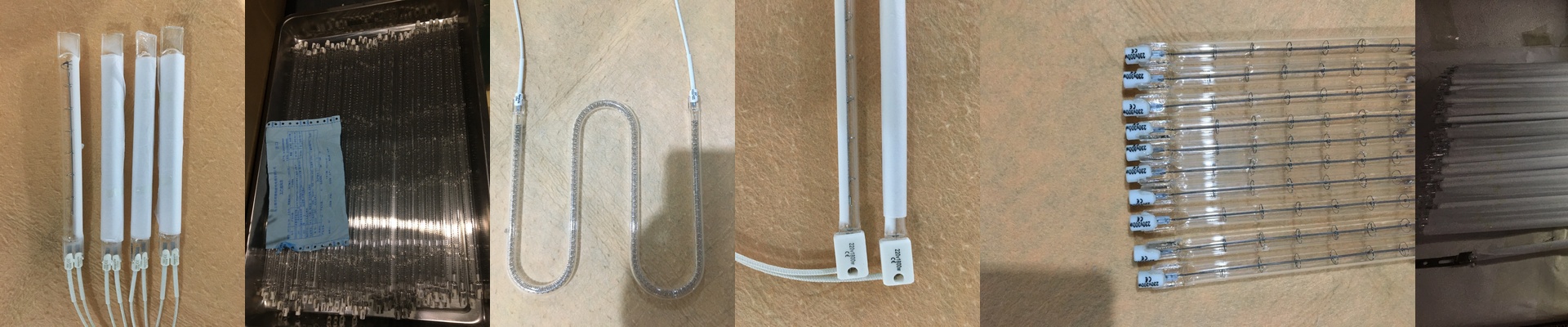
If you’re running a mid-sized operation with older machines, you know the frustration. You want to hit those modern cycle times, but the machine just won’t budge. Usually, the culprit is the heating oven. If your preforms aren’t getting hot enough, fast enough, you’re stuck slowing everything down. It’s a bottleneck that kills your productivity. Here’s the thing about heat. To speed things up, you need more “punch” from your heaters. That’s why we lean on shortwave infrared lamps. They don’t just warm the surface; they dive deep into the PET wall way faster than standard heaters do. Swapping a low-wattage tube for a high-output halogen version is like giving your oven a shot of adrenaline. More radiant energy hits the preform, and things start moving. But you can’t just throw any bulb in there. You’ve got to watch your transformer specs. If you pop a 2500W tube into a spot meant for 1500W, you’re asking for a blown power supply. And don’t forget the wiring. High-wattage tubes pull more current. If your wires are too thin, they’ll get hot—and not in a good way. The nitty-gritty stuff. We use quartz glass with special coatings. Why? Because we want the heat hitting the plastic, not wasting energy by baking your machine frame. To keep things simple, we stick with standard R7s or Sk15 connectors. It makes the swap a “drop-in” process. No one wants to spend their weekend rewiring an entire oven from scratch. Just a heads-up: quartz is brittle. It takes a beating from the constant heat and cooling. We use reinforced seals to keep gas from leaking into the element, which keeps the filament from burning out too soon. The reality check. Now, this isn’t a magic wand. More heat means a hotter oven. If your cooling fans are old, dusty, or just plain tired, the ambient temperature inside is going to spike. That’s when you start seeing “pearling” or weird, uneven spots on your preforms. You’ll need to spend some time recalibrating your heating zones to find that sweet spot with the new energy output. It takes a bit of tweaking, but once you nail it, the difference in output is huge.