



Why Big Farms are Ditching Forced-Air for Infrared
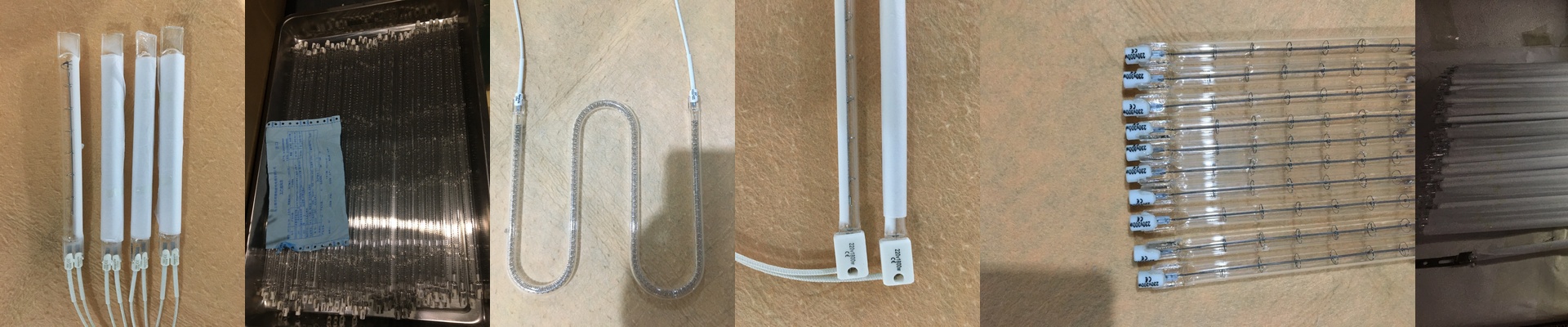
Let’s be honest: heating a massive, drafty barn is a nightmare. You’re basically paying to heat the ceiling and the wind. We recently looked over the books for one of our clients, and the numbers were wild. They shaved millions off their annual heating bill just by swapping out their old systems for our shortwave infrared lamps. Here is why it works. Most heaters try to warm up the air. But in a barn, that air just disappears the moment a draft hits. Infrared is different. It doesn’t care about the air. It goes straight to the animal and the floor. You stop paying to heat the empty space. You only heat what actually needs to be warm. Built for the grit Barns are tough on gear. They’re dusty, humid, and generally a mess. That’s why we build these things to take a beating. We use quartz glass for the envelopes so the heat actually gets to the livestock instead of getting trapped in the lamp housing. Plus, we run our high-output units on industrial voltages. It keeps things efficient, even when you’ve got long cable runs stretching across a facility. If you already have heat lamps, these usually just drop right in. It’s a simple swap, but you get way more heat for every kilowatt you pay for. The “Gotchas” Now, it’s not magic, and you have to be smart about it. Infrared puts out some intense heat. If you hang them too low, you’re going to scorch your animals or bake the bedding. You can’t just wing it—you’ve got to get your mounting heights and timer cycles right based on the size of your animals and your ceiling. The real secret sauce? Pair these with automated sensors. That way, the lamps aren’t blasting at full tilt when the afternoon sun warms the place up. You get a steady, comfortable environment for the herd and a power bill that doesn’t make you wince.