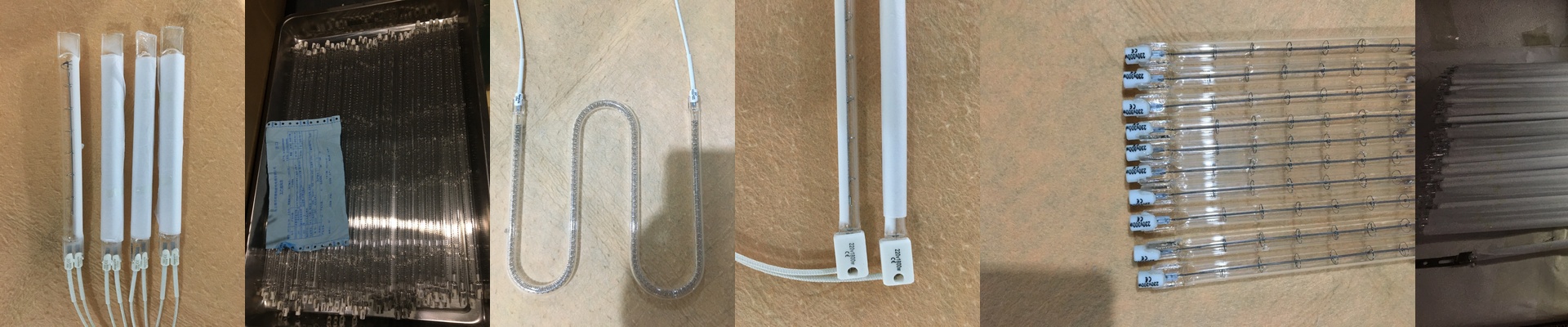
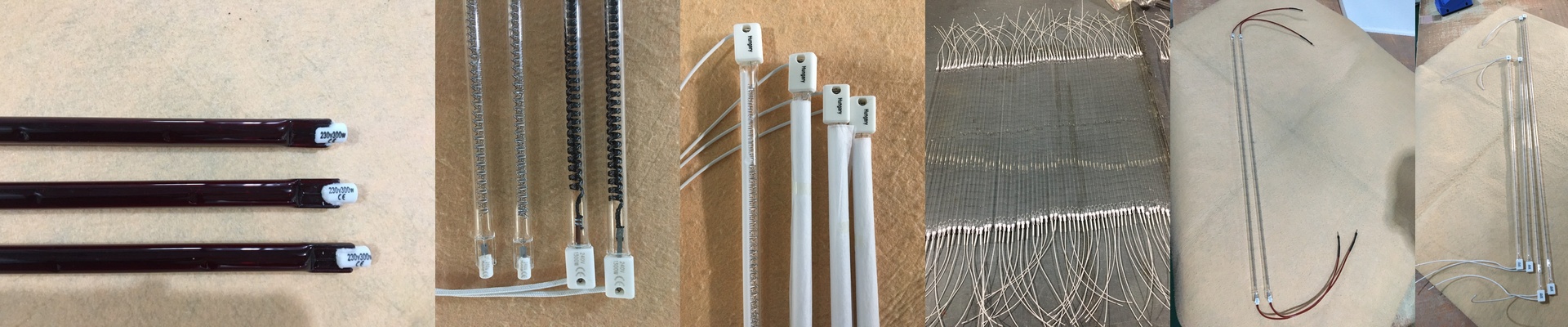
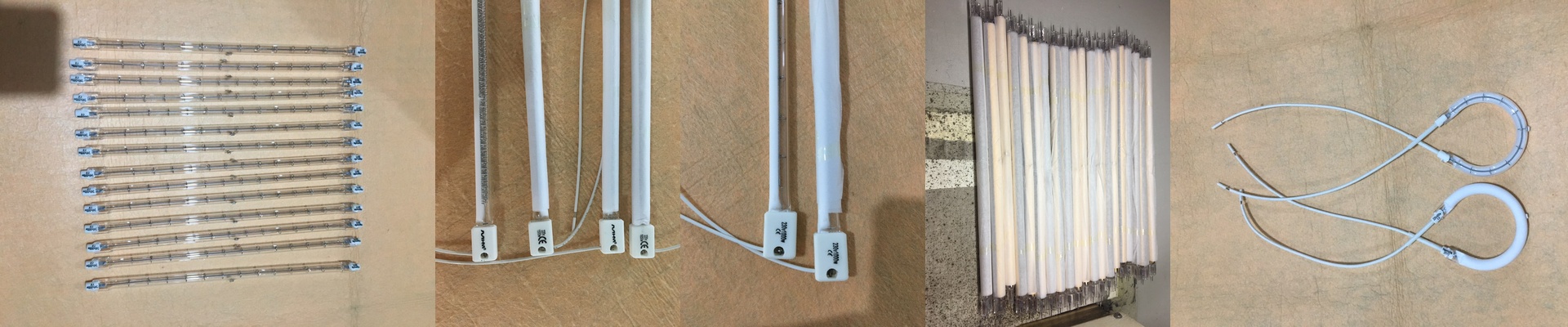
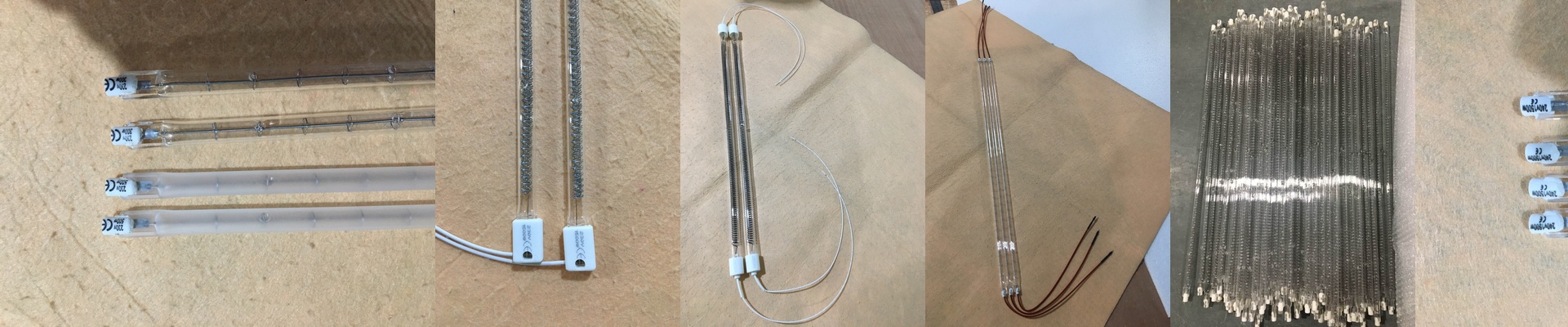
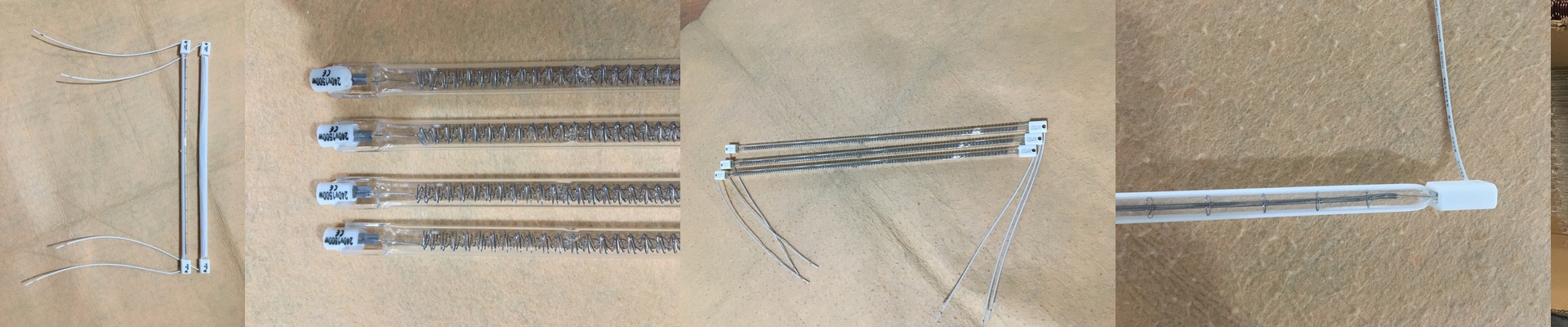
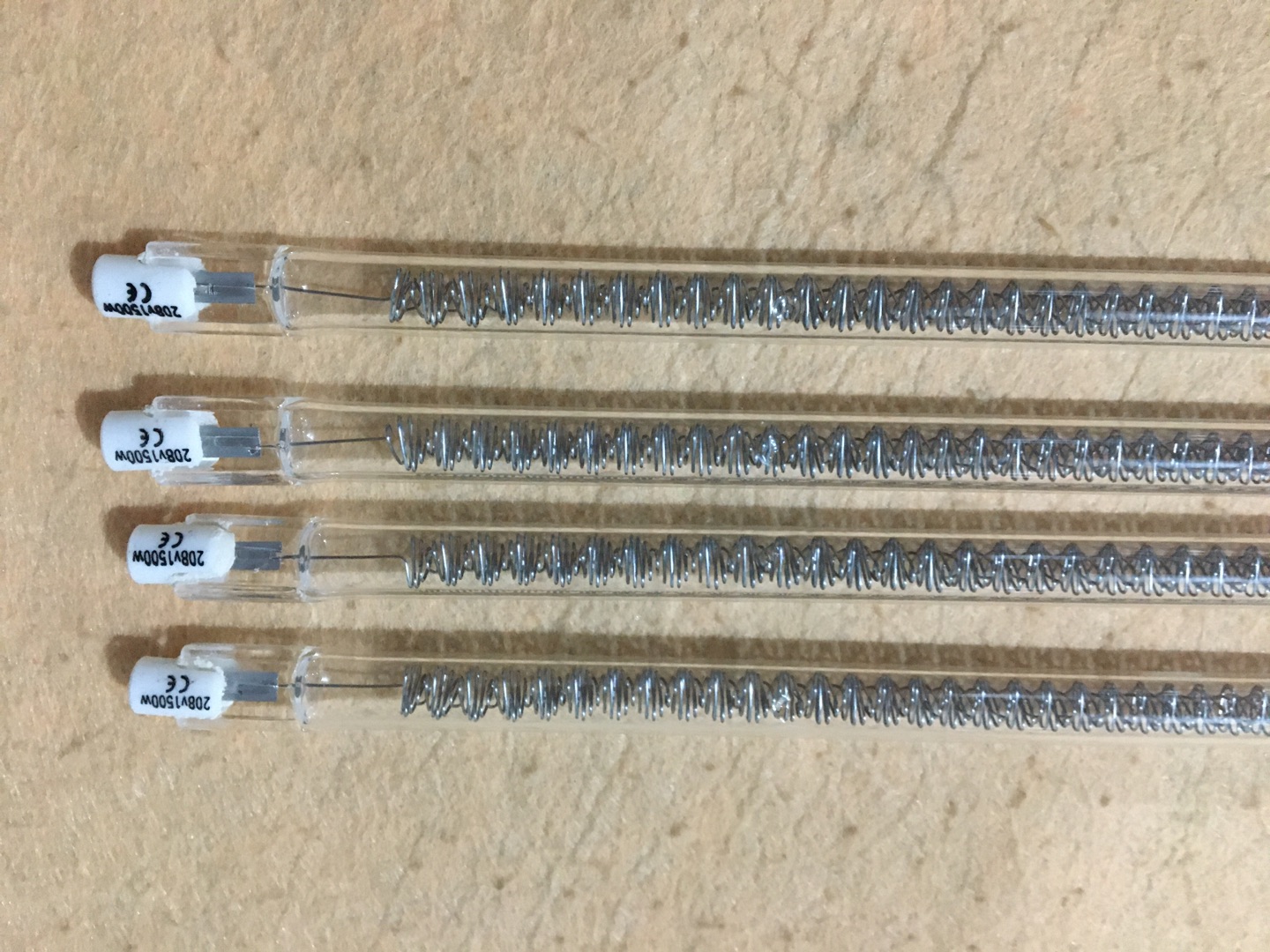
Red Ruby Infrared Halogen Lamp: 1500W, 1200mm for Paint Booth Curing
We built this red ruby infrared halogen lamp for one reason: to keep up with the fast, non-stop pace of a paint booth. It’s a 1200mm, 1500W heater that throws out quick, controllable infrared heat, so you can cure coatings on parts and assemblies without waiting around. It’s meant to be the kind of heat source you can count on when the line is running and every minute counts.
Power, Voltage, and Size—Straight to the Point
At 1500W and standard industrial voltage, this lamp packs serious heat into a compact tube. The 1200mm length gives you a wide heating footprint, so you can cover big panels—or several parts at once—without constantly repositioning. We matched the power-to-length ratio to real-world booth conveyor speeds and cure windows. It warms up fast and holds steady, so your cure results stay consistent shift after shift. The wattage is enough to drive solvents off quickly, but that also means your booth’s air handling and temperature controls need to be set up right. If you run this at full power all the time, make sure the nearby fixtures and wiring can take the sustained heat.
What It’s Made Of: Halogen, Quartz, and Solid Connections
Inside the quartz envelope, the halogen cycle helps keep the filament temperature steady, so output stays stable over the life of the lamp. The red ruby coating shifts the infrared energy toward the absorption band most paints and coatings respond to. That helps the heat go straight into the film instead of warming the air, which cuts down on solvent flash-off trouble and gives you a more consistent cure. The lamp uses an R7s-style double-ended connection—an industrial fit that makes solid contact and keeps replacement quick and simple. The ends are built to handle repeated heating and cooling, so you don’t get hot spots at the connection that lead to early failure.
How It Works in a Paint Booth—And Why It Matters
In the booth, this lamp shines during flash-off and cure. The infrared output heats the coated surface directly, so you shorten cycle time and reduce the load on your exhaust system. The payoff is faster throughput and less energy per part—as long as the lamp is positioned at the right distance. Too close, and you risk overheating and blistering. Too far, and you drag out the cycle and waste floor space. Set the distance based on coating thickness and line speed, then stick with it. This lamp is a workhorse, but it still needs proper airflow and thoughtful thermal management around the tube to keep running reliably.