




Building Heat Lamps That Actually Survive a Poultry Farm
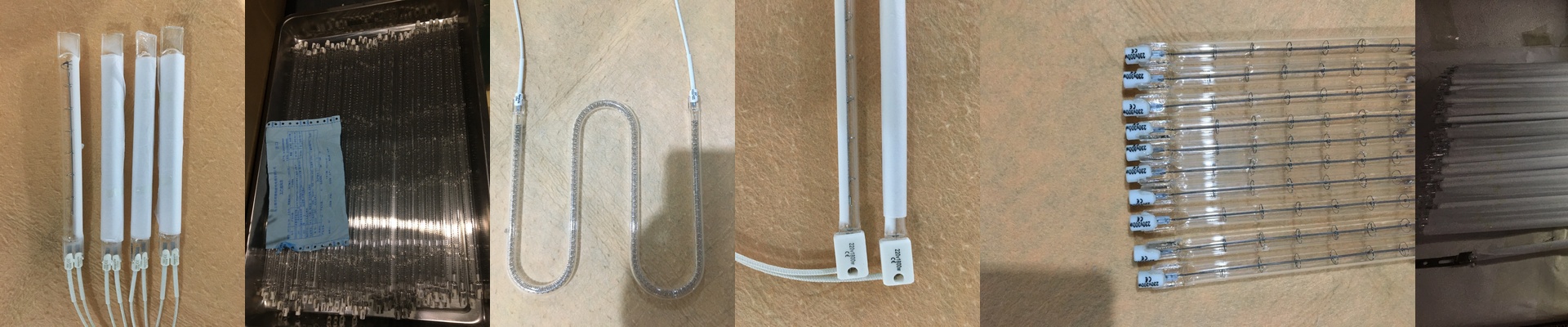
Let’s be honest: poultry farms are brutal on equipment. Between the thick dust and the ammonia in the air, most heating lamps just give up. We don’t make the kind of bulbs you’d find at a home improvement store. We build industrial tools designed to run 24/7 in the kind of conditions that chew through everything else. Getting the heat where it matters When you’ve got thousands of birds to keep warm across a massive space, you can’t mess around with weak heat. We pack a lot of power into every inch of the filament. The goal here is short-wave infrared. It doesn’t just drift around and heat up the air; it cuts straight through to warm the birds instantly. Just a heads-up: if you’re going for the high-wattage options, double-check your wiring. You don’t want voltage drops halfway across the barn because the cables can’t handle the constant pull. The secret to making them last We use heavy-wall quartz glass because thermal shock is a real killer—one wrong temperature swing and a cheap tube will just crack. Inside, we use a halogen gas mix. It basically acts like a vacuum, pushing evaporated tungsten back onto the filament so the wire doesn’t thin out and snap. It keeps the lamp alive much longer. We also add a special coating to the glass. This makes sure the heat actually hits the livestock instead of just wasting your electricity by heating up the ceiling. The nitty-gritty on installation We stick with R7s and Sk15 connectors. Why? Because they lock in tight. You can snap them in quickly, and they won’t wiggle loose when the farm machinery starts vibrating. But here’s the thing: this much heat is intense. These lamps get hot enough to cause serious burns or even start a fire if there’s debris nearby. You’ve got to use proper guards and leave plenty of breathing room. We build these things to take a beating, but they only work if your housing lets the heat vent away from the sockets.